

30 Useful Things To Know Before Moving to Norway

This site uses affiliate links, meaning that if you purchase through my links, I may earn an affiliate commission, at no extra cost to you.
Moving to Norway is a desire that many people share. This post shows how to move to Norway and 30 things to know before living in Norway. The post will also give details on the various Norwegian visas that are available and how to apply for them as a citizen of various countries.
This was originally written in 2013 and has been updated regularly since (latest update is February 2020).
Living in Norway: 30 Things To Know Before Moving to Norway
I spent four years living in Norway… a fantastic Scandinavian country that is as desirable as it is frigid. To be honest, it was one of the greatest periods of my life and I really loved my life in Norway, even if the adjustments were sometimes harsh and difficult.
As I have moved around to various places since I look back on my time in the north and realize that it was the easiest place to adjust to as an American. While the Norwegian immigration process can be a bit stringent, it was worth it to say that I called the country home for a few years.
This post discusses how to move to Norway, applying for a Norwegian visa or permit, what it is like to live in Norway, and thirty things to know before you make that move.
I did this as a collaborative post with Inspiring Travellers and you can see the link to their 15 things to know before moving to Norway at the end of the post! Be sure to click it to read their thoughts as they spent time living in Stavanger.
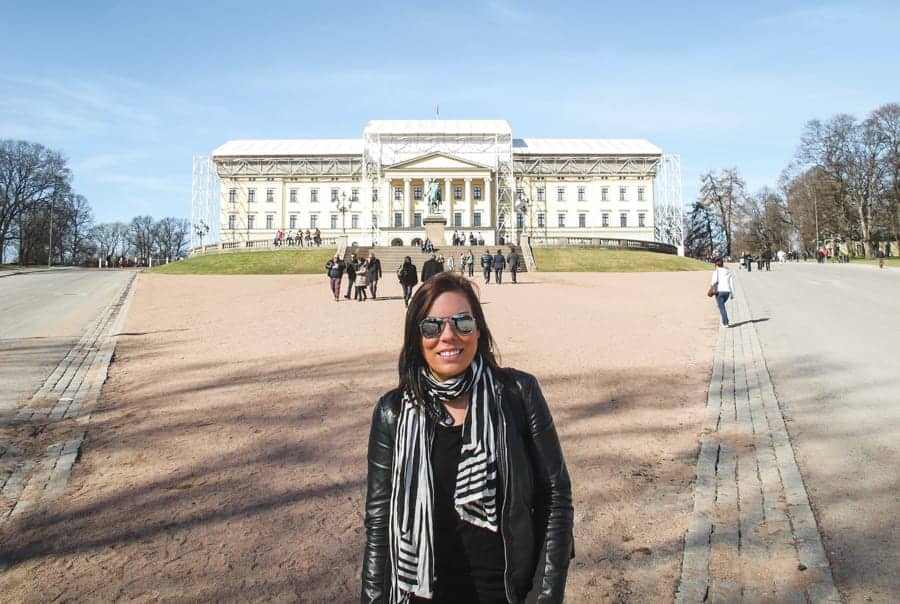
What to Know Before Living in Norway
There are so many things to know before relocating to Norway. I spent quite a few years living in Norway and this post discusses things I think you should consider before making the move.
From food quality to salaries and beyond, here are 15 things I think you should know before migrating to Norway (the other 15 can be found at the very end of this post).
Allemannsrett
The beauty of Allemannsrett is that this ‘law’ means that you can pitch your tent or hike anywhere in Norway. Granted, you can’t pitch a tent in the middle of Frognerparken in Oslo’s center, but anywhere out in nature or mountains that are not private property is an absolute go.
I can’t tell you how much I love this right and how I think it should exist everywhere in Norway! Hotels and hostels aren’t cheap in Norway, so this gives travelers and locals another way to be out in nature at an affordable cost.
While I never took full advantage of this, it still is something I brag to others about whenever I speak about my time living in Norway.

Norwegian Salaries
I constantly hear from Norwegians, even when irrelevant to a conversation, “We are so lucky to get paid so well here…that is why everything is more expensive.” This is not always true. Granted, a housekeeper or retail shop worker gets paid drastically more than in the United States. But skilled workers with education don’t always make more living in Norway.
One key exception is teachers. Teacher salaries in Norway are much better than in North America and that is a real shame (for North America). There are other careers that are valued more in Norway than in the US and other countries.
I, personally, never made the same amount of money in Norway as I would have in the US. And the taxes are much higher in Norway. On the other hand, medicine is socialized and many other amenities are taken care of, so it all evened out in the end.
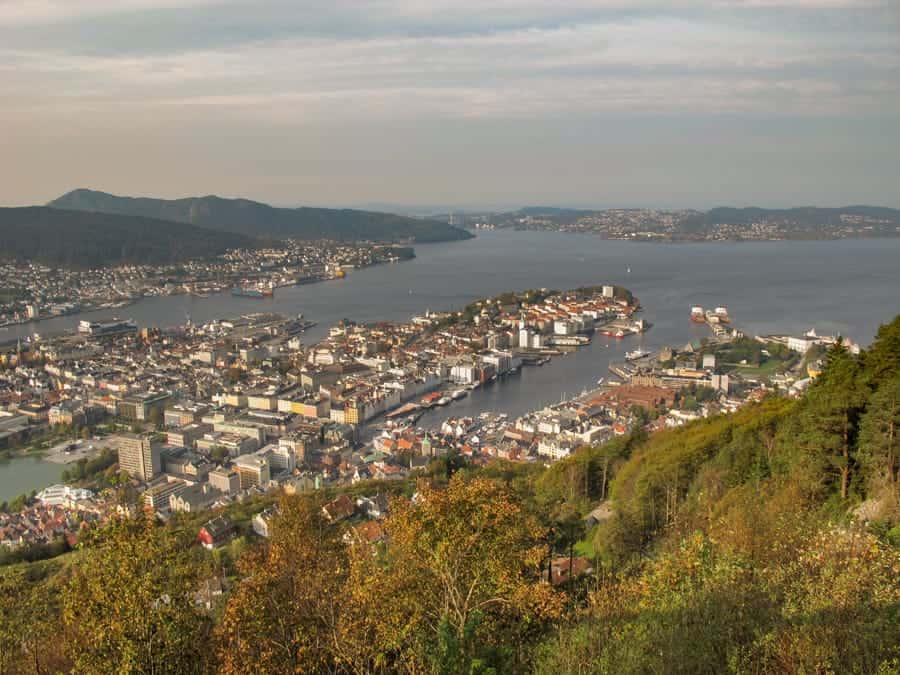
If you look at the OECD Better Life Index, you will notice that based on disposable income, the average American makes astoundingly more than the average Norwegian per year.
This takes into account a lot of the wealth gaps (to my surprise, there wasn’t as large of a difference between the countries as I anticipated). And with the cost of living being so much lower in the US, your money will go much further than it would in Norway.
This is hard for people to see… especially since many jobs (engineers, for example) are in much higher demand in Norway than they are in the US or other countries.
So while you may get paid very well to be an engineer in Norway, that does not mean that you won’t get paid equivalent or higher in another country… they just have the demand for it in Norway at the moment.
Everyone is given a new tax card each year
They are supposed to come automatically, but sometimes you have to order them if you don’t receive them on time. What happens if you don’t turn yours in or are in between the processing of visas and can’t receive one until the visa processing is done?
You are taxed at 50%. I am experiencing this right now and trust me, it is BRUTAL. I’m told I’ll receive a lot of it back when tax time comes. Fingers crossed. (Update: All was sorted in the end).
Norwegian taxes are automated
Taxes in Norway are included in the actual price of the goods. While this leads to a lack of transparency, in my opinion, it makes shopping easy. And, your annual taxes are pretty much automated. No H&R Block involvement. Amazing.

Food quality is poor or limited
Since Norway is not part of the EU, they don’t have the same amount of imports as grocery stores in Sweden, for example. And what you do get in the grocery stores is usually rather poor quality. I can’t tell you how badly I miss Trader Joe’s or Whole Foods.
Luckily, if you’re in Oslo, the Grønland markets can provide you with your foreign needs, at a lower price, and often, with better quality. Many stores have opened in recent years that are helping solve this problem, in addition.
Don’t let Kiwi’s produce guarantee trick you into believing their quality is superior to any other store’s. I will mention that I have seen drastic improvements in food quality since I moved here.
Perhaps the TV2 programs about the poor quality have helped? (Again, this was written in 2013 and has likely changed a bit- I no longer live in Norway, so I have no idea!)
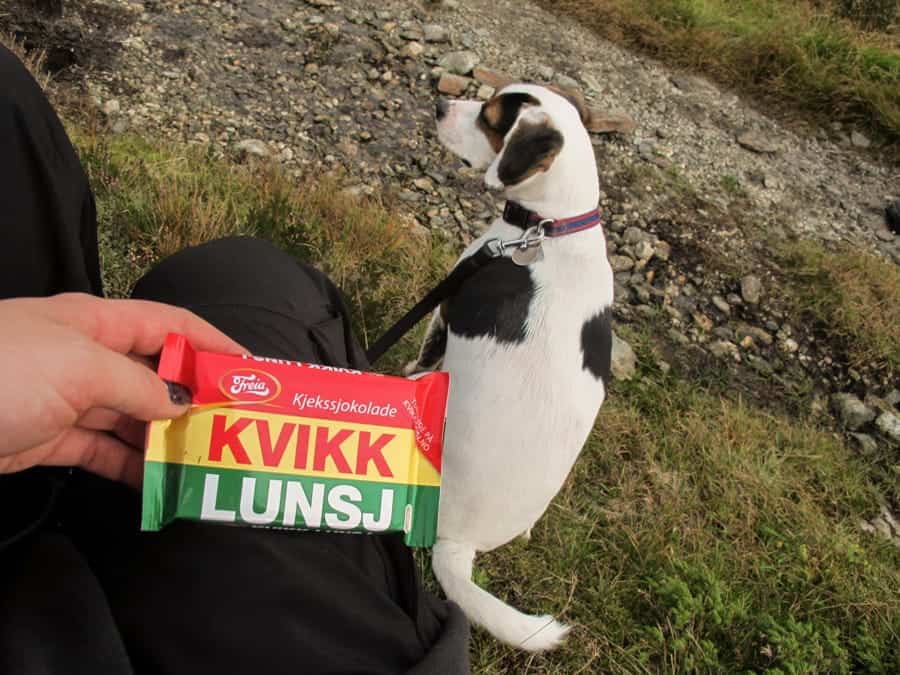
Things that are better in Norway than many other places? Chocolate, berries (they will blow your mind!), bread, and many other foods. Try to buy seasonal produce.
Also, do note that if you’re visiting other parts of the country like Tromsø or parts more remote that the situation could be different!
Norwegians don’t complain
And if Norwegian people do complain, it is very rare. So, when you do have a legitimate complaint with a company or its services, you will shock the lower-level employees because they don’t experience this often.
I purchased a sofa from Bohus here in Norway and had some delivery issues with it (it was going to be months late). I was upset, naturally, and called to complain.
The employee who received my phone call was so confused about what to do or who to escalate the call to that I think I frazzled her for days.
Luckily, the problem was resolved in a professional and timely manner and I ended up having a superb customer service interaction with Bohus.
Norwegians think they complain… I just want to advise them to move to Germany where complaining is an art form and then they will see how easy-going they truly are.
Americans love a good complaint too, even if we don’t do it directly to your face.
If you can’t find it in Norway… it might be banned
The Norwegian government is notorious for banning things. One of my favorite Yogi teas is banned here. I didn’t discover this until my friend who works for customs and tolls here informed me that that is why I am unable to find it but can find every single other Yogi tea here.
Red Bull was banned here in recent years, in fact, due to caffeine levels.
A 12oz Red Bull has less caffeine than a cup of coffee. I think it was probably banned for other reasons, maybe like its ability to lead someone to a slow death, but the government just told the people it was caffeine-levels related.
But on a general note, if you can’t find it… before you go to extreme measures of trying to have a grocery store import it (which I have done), find out if it is even allowed in the country at all. There may be a reason you can’t get it here.
Shipping products into Norway is no easy feat
Since Norway is not part of the EU, many places abroad won’t ship here. I don’t think it is that they don’t want to, but many people assume that Norway is actually part of the EU.
I have found that you can often get an exception made by speaking with managers, but there have been times I was unable to get that permission granted.
In addition, you have to pay tolls and customs on products shipped to Norway that are over about a $40 (give or take depending on currency exchange at the moment).
These taxes can often amount to more than what you paid for the product in the first place, depending on what it is. So I have given up shopping online from abroad. While I became bitter about it, it actually saved me a lot of money in the end and forced me to not buy things I didn’t need, so I am semi-grateful for it.
You can calculate tolls and customs costs here.
Healthcare in Norway
I actually never had a chance to experience healthcare in Norway. Not a single time (my dog went to the vet a few times if that counts). This is obviously a good thing. I only know what I watch on the news or have experienced with others.
Vision and dental are not covered. The healthcare itself is very basic and does not include holistic approaches or natural forms of medicine (chiropractors included). Many of the hospitals look like they were built in 1903 but others are very modern.
On the contrary, everyone is entitled to coverage here. I have found that healthcare here is more expensive for me at this point in my life than what I got in the US because I’m healthy and have no chronic issues.
But, if you’re chronically ill or have an ongoing ailment, this is the country for you.

Every time you go to the doctor, you must pay around $40, in addition to the medicine you’re prescribed. But, once you hit your cap (I want to say it’s around $500ish), everything is covered for the remainder of the year.
The medicine in Norway is socialized and comes out of your taxes so you never see it in the first place.
One thing I do notice a lot due to my watching and reading the news here is that a lot of the equipment and practices are extremely out of date.
I just saw a situation with a boy having to travel to Germany out of pocket because the heart procedures he was having done were from the 1970s and doing more damage than good.
He could have benefitted from a solid international health insurance plan, but having to travel that far for a procedure can give added stress.
A lot of what is done here is out-of-date, and not just in the field of medicine. Healthcare in Norway is always evolving, usually for the better, so I think the pros of the system far outweigh the cons. Especially for an American moving to Norway.

Banking in Norway is awesome
I love the banking system in Norway. Everything is done easily and online, which is the same as the States, but transferring money amongst people is significantly easier here in Norway. Of course, I’m not sitting in a country of 325 million people… but instead 5 million people which is far easier to manage, but still.
I can just type in someone’s bank account number and the money sends, regardless of which bank or establishment the person is banking with.
Bank account numbers aren’t a private thing here. If you owe your friend $20, you can just transfer them 100kr over the internet. Banking in Norway is so efficient and easy that it makes me sick.
Feriepenger in Norway (Holiday Money)
Everyone in the world thinks that Norway gets a month of vacation during the summer and paid to not work. Well, this is very wrong.
I, believe it or not, got more vacation time with pay in the United States than I do here in Norway. You see, the month Norwegians are mandated to take off in July, is unpaid. Many jobs and offices close down so you’re forced to not work.
While this is conceptually a nice idea, it sucks for those who need the money and desire to work through July.
The way people are able to afford a month off without pay is because their company withholds money from the workers’ paychecks every month the year prior and gives them a nice, lump sum of money in June of the following year, aptly called feriepenger.
There are reasons I both like and dislike this method. I like it because you get a month of vacation off. I’m a traveler at heart and will happily take off a month unpaid if given the chance.
I also like that someone else is kind of managing my money because I’m lousy with money.
I dislike it because depending on the job, you are forced to take off even if you need the cash and want to work extra. I also dislike it because it is in July.
Who really wants to leave Norway and travel abroad at the height of Norway’s most beautiful and tolerable season? Give me a month off in December or January and I’d have a more positive response.
Also, if it is your first year at a job, you don’t receive feriepenger. So basically, you get to take a month off unpaid.
Conformity in Norway
I haven’t talked too much about this in previous posts but really should have. This is the absolute most conformed place I’ve ever been in the world. The girls all dress the same. And if someone claims they have their own style or is an original, this simply means they just have a different color of Converse sneakers than their friends, who will undoubtedly all own the same white high-top ones. (Update- I don’t think people still rock the Converse in 2019).
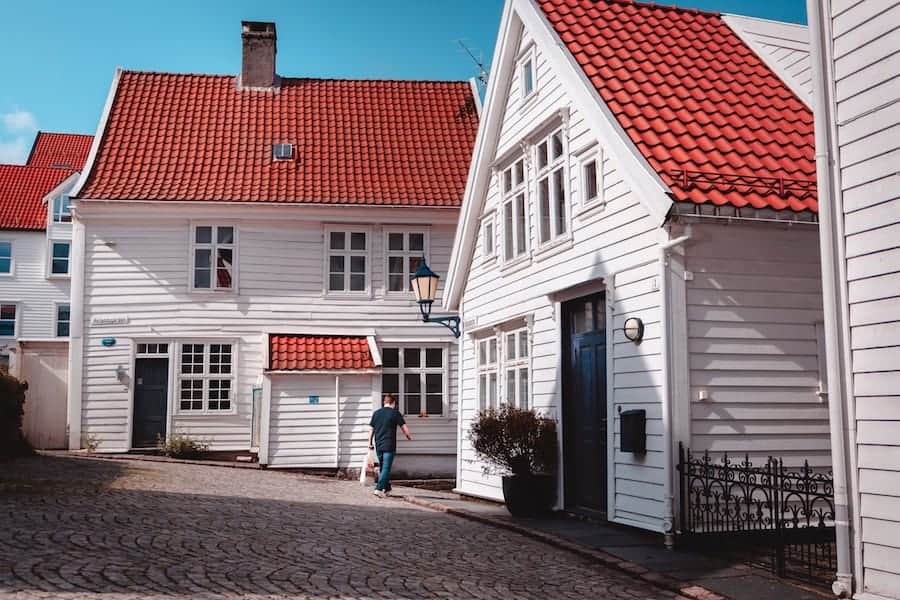
If a trend catches on here…watch out. The summers are filled with girls in unflattering mom-like jean shorts, solid color t-shirt, long, straight box dyed blonde hair, and Converse white high-top sneakers.
In the winter, it is all about the Canadian Goose parka (whether it be real or a knockoff) with a fur-trimmed hood. The guys are not much different when it comes to conformity, but it is easier for me to notice on the females than the males since I’m a female myself.
Aside from style, you will also notice conformity in other manners. Skiing is another example. I understand this country is made for skiing and quite frankly, there is not much else to do here, but I swear, everyone does it. There is not a lot of variety when it comes to sports.
Sure, you have gyms and some indoor soccer centers, but pretty much just everyone skis. I guess I should have bought a pair of beginner skis when I moved to Norway and caught onto things but kids zooming past me was not something I wanted to witness and it would have crushed my pride!
A lot of what was mentioned above was pertaining to when this post was originally written in 2013. I am sure there are different brands being rocked now and that there is a movement toward individuality. I still travel back there frequently and I am noticing subtle changes.
Everything costs money in Norway
Wanna play tennis? Good luck finding a court that you don’t have to pay for. Own a TV? You must pay yearly taxes on it. Fortunately, recycling is free. So is hiking and enjoying the outdoors. There are many things to do in Bergen that don’t necessarily require money, fortunately… so long as you like nature.
Norwegians are masterminds when it comes to saving
Americans could use some tips on this. While I think many Norwegians buy and build homes way too young without much money in the bank, the majority seem super good at saving. It boggles my mind and I really need to start learning from them.
Traveling in Norway takes time and patience
Public transportation in Norway deserves a huge thumbs up. It is incredible. But you know those beautiful fjords? They make getting places kind of a nightmare. Some of my favorite Bergen day trips ended up as overnighters as a result!
Places that should really only take two hours to get to often take five hours to get to because one has to take the long way around the fjord or wait on a ferry to get across.
Don’t let maps fool you into thinking places are closer than they are. These kinds of situations tend to happen more in western Norway than on the east side.
Transportation in Norway is expensive. Even when I think I am getting a hell of a deal… I’m kind of getting screwed over. To go round trip from Oslo to Bergen (7 hours) via train with the absolute cheapest ticket possible is still over $100. For a 2-minute ride on Oslo’s public transportation system…you will pay around $5.
The ‘Flytoget’, or airport train, from Oslo’s international airport to the city center will run a person 170kr, or $30. EACH WAY.
There are ways to avoid this, but the average traveler or person new to Oslo doesn’t think about it when they step off of an airplane here. Again, these are 2013 prices and have inevitably been adjusted with currency rates since.
So, You Want to Live and Work in Norway?
Is Norway the right country for you? Have you done proper research? Have you given thought to the changes you will need to make to successfully move to Norway?
There are so many questions to ask before uprooting yourself to Scandinavia. I advise making a list of everyday things that matter to you and things that don’t matter as much. See where Norway fits in this all.
I like to go out and socialize and drink with friends. I don’t care about family or schools at this point in my life. So, perhaps Norway was not the best country for me at the time as I was going out and paying expensive bills but could not take advantage of how wonderfully the country treats children and families.
Everyone is different- just do your research to ensure Norway is a great place to live for you.
How to Move to Norway
Now, the part you have been waiting for. I know you’re asking yourself, “How can I move to Norway?” This next part details the visas available as well as some how-to information pertaining to becoming an expat in Norway.
Types of Visas to Live in Norway
Family Immigration Visa Options
In general, there are two types of Family Immigration Visas for Norway. Family Reunification, and Standard Family Immigration. In almost every case, there is an applicant and a reference person. The applicant is the person that applies for the visa, and the reference person the one that sends a written invitation to the applicant.
Spouses and registered partners
When you’re applying for this type of permit, you must have valid ID papers. Passports are universally accepted and they’ll be fine in almost every case. It’s important for the couple to prove that they have plans for living and working in Norway and that their marriage has to be valid in their home country.
Cohabitants in Norway
Norway supports visas for couples that aren’t married. The prime requirement is that both have to be at least 24 years of age and they have to have plans to live and work in the country. Proper identification is required as always, and in some cases, the couple might need to prove when and where they have lived together previously.
Fiancee Visa
It’s very important to know that this permit is not required to get married in Norway. However, those that apply for it have to prove that the marriage offer is genuine and is not merely a matter of convenience.
When the couple marries, the applicant needs to apply for a family immigration permit before this permit ends. In the case of the marriage not happening as planned, the applicant needs to return to their home country.
There are several other types and stipulations on how to get a visa to live in Norway based on family reunification, but these are some of the most commonly asked scenarios on my site, so I felt compelled to include them. You can see additional information here.
Become an Au Pair in Norway
Young women or girls between the ages of 18 and 30 can apply to be an Au Pair in Norway. The purpose of the stay must always be a cultural exchange and improving language skills, while the au pair helps around the household with light tasks, as well as help with taking care of the children and pets.
The au pair must either prove that they’ll be going back to their country after their stay or at least their circumstances must be highly likely that they’ll return.
The au pair is not allowed to work for another family, but will be entitled to holidays, insurance, and travel compensation by the family. The maximum time a person can live in Norway as an au pair is two years.
Study in Norway (and Visa Types)
The visa for studying in Norway also grants a permit for working half-time, or 20 hours per week, while studying. However, during the holidays you are permitted to work full time. This type of visa is only required if the applicant will be studying in Norway for longer than three months.
When studying in Norway (or even getting a job in Norway), you must have your education and transfer credits approved by NOKUT in several circumstances. You can do that on their website here.
Go to University in Norway
You can only apply for this permit once you’ve been accepted at a university. For it to be granted, you need to have finances to live in Norway on your own.
They don’t have to be only personal funds as you can also use student loans. The chosen school must also be approved by NOKUT.
Upper Secondary Schools and Vocational Schools
This permit is very similar to the one for college or university. However, there are three different ways a person can apply for this permit.
You can have an offer to study at a school that has partnered with a country or a non-profit organization, to attend a baccalaureate study program, or to attend a sports or art academy.
Folk High Schools
This is a visa for specific Norwegian folk high schools, which lasts for a year. It can’t be renewed after it ends, but it won’t be granted at all if the person has attended a religion-based school in Norway before.

Bible School in Norway
Applying for a bible school in Norway is very similar to applying for a folk high school. However, the school needs to be approved under the Adult Education Act, and the only way to check that is by contacting the school directly. This visa is also valid for only a year, and it won’t be granted if you’ve studied at a folk high school before.
Working in Norway
To apply for a work visa for Norway, a person generally needs to be either offered a job in Norway or have their own business.
However, there are multiple types of residence permits for a skilled worker. For each type, the applicant is required to pay their application fee and have the corresponding education. For almost every permit type, your family can apply to move to Norway with you.
Skilled Worker with Employment Offer in Norway
If you have a concrete and specific job offer from a Norwegian company, you can apply for this visa. In almost every case, the offer needs to be full-time, but sometimes the application can be accepted with only 80% of weekly hours. In some cases, it might be necessary to prove that you have the qualifications.
There are some jobs that require recognition from bodies of authority. These are for positions like that of health personnel, etc. For these specialized types of jobs, you would need a license from the Norwegian Directorate of Health.
Self-employed persons with a company abroad
This visa is reserved for those that have their own business outside of Norway but have a task for a Norwegian company. If you apply for this, then you can only work for the company you’ve applied for, and in the field that you’re already working in.
Seasonal Working Visa for Norway
To even apply for this type of permit, the person needs to apply to a proper seasonal industry.
Some examples are forestry, agriculture, fish processing, restaurant, and jobs within the tourism industry. There are also many winter jobs like running whale watching tours in Tromso, etc, that will require seasonal workers!
Trades, carpentry, and painting aren’t considered seasonal industries.
This type of job must be of a seasonal nature or for it to be a holiday stand-in. You need a specific job offer from the employer, but you can also work for several other employers at the same time.
You’ll be granted this visa only if there are no workers from Norway that can be recruited. It’s up to the employers to consult with the Norwegian Labor and Welfare Administration. However, for agriculture and forestry that isn’t required.
Job Seeker Visa for Norway
Normally, a person can only receive a visa if they have a job offer. However, in some cases, there can be an exception if the person is a skilled worker. This visa can be granted to people in exceptional cases so they can live in Norway while they’re looking for work.
This is a fairly difficult visa to obtain and you must already have personal funds to live in Norway. If you don’t manage to find a job in your own field within the six months of the permit’s validity, then you must live outside of the country for a full year before applying again.
I actually had this visa for a while when in Norway.
Job Seeker (with Norwegian Education)
This permit cannot be granted to a religious leader, teacher, or ethnic cook. There are a few criteria to fulfill before applying for this permit. You must either be a student, study for extra education, or be a researcher, and have a residence permit for either case.
It’s necessary for you to have personal funds when applying, but you can also work full-time while you’re looking for jobs.
Registration scheme for EU/EEA nationals in Norway
Any person from the EU and the EEA is free to work, live, and study in Norway. However, they need to register if they are to stay in Norway for more than three years. If you’re an EU/EEA national, you’re free to live and work in Norway and have your family move with you. After five years of living in Norway, you can apply for a permanent right of residence.
A family member can also register if they are the spouse, cohabitant over the age of 18, or child of under 21 years of age.
Applying for Asylum in Norway
Asylum seekers must be either already inside the country or at its borders. Their case will immediately start to be processed, and they’ll be under the protection of the police. They’re obliged to give personal details, and if they’re found to be false, then the seekers could receive punishment by authorities.
After some medical testing, like for tuberculosis, the asylum seekers will be interviewed to fully assess their situation. For minors, they’ll be given a legal representative if they’re not with parents or legal guardians.
Moving to Norway from America
I moved to Norway from the US and to be honest, it was a pretty seamless process in retrospect. A different visa for the language is what I initially landed before applying for various other types (all listed above).
The language visa no longer exists. There are several ways you can move to Norway from America and it is documented here. You can also see how to move to Norway from Australia or Canada there (which offer working visas to those nationalities and a few others).
I have only covered 15 of the 30 on the list! To check out the rest… head over to Inspiring Travellers and see what Norway tips they have shared with you from their experiences of living in Norway (Stavanger, to be exact).

This was so fun to read. I grew up in the US, met and married a Norwegian, and lived in Norway for 2 years. We are now back in the US and while I miss many, MANY things about Norway, it is good to be home. I completely agree with just about everything you mentioned. most of all- the health care. So many people give such high regards to health care in Norway (which it def. has its perks) but I agree about outdated machines, old hospitals, ( I went to visit my SIL after she had a baby at the hospital and it looked incredibly old and dingy inside) and not sure if you mentioned the long wait time for basic procedures/surgeries.
I lived in Stavanger where the military base is located and the military would have to send the wives to England for their yearly mammogram checks because the machines in norway were too outdated to meet the proper standards in the US. This was CRAZY to me. Also, if you need something done such as a minor surgery, or procedure, you often get put on a “waiting list” and usually have to travel to Oslo to get it done. This was also crazy to me. My father in law waited months and months for a knee thing (forgot what it was) to be done and my mom had the same thing done (in the US) and had an apt. right away , etc.
Something else that I think was hard for me was people not saying hello on a “tur” or walk. I would get pretty frustrated that no one would say hello or even make eye contact while walking/jogging on the beautiful paths, streets, trails, wherever. (i’m from the south where people give hugs to strangers so i’m on the other end of the extreme. but still. no eye contact or smiles) ugh.
anyway, we sometimes talk about moving back to norway but i start having flash backs of the long dark winters and people who don’t smile at me when i pass them and how freakin expensive everything is there… and i feel happy where we are.
banking IS totally awesome there, -My hubby and I talk about this at least once a week.
I miss the bread- A LOT.
I also miss norvegia cheese!
I LOVE the style there
I miss the nature and fresh, fresh air the MOST!
I don’t miss the rain.
I miss how safe I felt there.
I miss all the cute blonde babies with rosy cheeks and winter hats all tucked in their sleeping bags inside there giant strollers.
I miss all the cute downtowns.
and I truly miss walking everywhere! and the “smallness” of it.
thanks for the post! :)
My great grandparents actually emigrated from Norway to Scotland, due to the grinding poverty which was the norm in Norway then and to have the chance of decent farmland. In fact, for most of its history, Norway has been poor, and exported people in huge numbers. Its rumoured that you still tell the physical difference (shorter, darker) today in those descended from tenant farmers scratching out a living on the small allowance of land they were given after slaving away (Norway outlawed slavery late) as opposed to those that actually owned the land. Don’t expect as a Norwegian ever to actually buy your own farm, you had to be born into the right family six centuries ago.
I’m not sure I really believe the stories about how supposedly rich it is now – it sounds like noveau riche talk from people who were previous unaccustomed to the basics. I recently travelled back, and I’m always reminded of what a depressing country it is. I stuck it out for nearly a week this time, before retreating to the more pleasant conditions of Sweden. What I don’t understand about Norway is, if it is so rich, why are salaries so low (except for engineers) and why can’t its people afford to do normal, fun things, like travelling from one end of the country to another on a railway or motorway in summer, or eating out at a restaurant more than once every 4 months. What is the point of oil fund if the taxation is so high that people need it to fund their pensions (because they can’t afford to pay for them out of their salaries?)
And its not just supermarket food that’s poor quality. Every single place we stayed at had poor quality accommodation. Yes, the famous hytte. Not only were the showers invariably dirty, but the grass around them would be uncut, bits of old machinery and wood tended just to be left to rot in random places, lights wouldn’t work, kitchens were beyond dirty (there was one that was such a hellhole that I still feel sick if I think about – a hytte there with no private toilet cost 695 NK for one night). Car parks and footpaths unfinished and whole places that were just a mess.
Hammerfest – why are the people there so rude? We had one driver try to ram his car into us when coming from a side street, then blast his horn and gesture aggressively at us (the rest of the world and even Norway doesn’t use priorite a la droite, because it causes accidents). We went into a shop near a ferry terminal to ask when the next ferry was, and got the rudest reply – is saying you don’t know politely too much trouble? Or maybe the ferry company could put up a timetable? Rude, lazy people, who can’t be bothered – mind you, whats the point, since you get paid much the same no matter how little work you do or minimal effort you use (unless you’re a male engineer, of course).
And why are the roads so bad when the taxes are so high? I actually have a theory about this. Norway has so little industry apart from oil, it has to make up projects to employ the otherwise lazy and unemployable Norwegian male. So it builds ever more crappy tunnels (seriously, widen them and light them properly and put in cycle lanes since cyclists spend so much money touring your country) and bridges, but its all totally uncoordinated, so you still have crappy, twisty B roads linking them together, with little overall improvement to the roads network. If I paid that much tax, I would be asking my government serious questions about why there are no dual carriageways north of Trondheim and no railways north of Bode (and even that one was built by Russian and Yugoslav prisoners of war). Sweden manages it, and it has similar terrain in the north and ravines on the Bothnian coast to cope with.
Ah, Trondheim. For some reason, despite the massive Norwegian taxes, you have to pay a road toll to pass on the road that goes near it, then another toll if you have the (audacity? tenacity?) to enter it in your car. Once in, you will see lots of miserable looking people trudging about in the rain, having given up waiting for one of the unreliable and over-priced buses. Admittedly, Trondheim has a lot of new roads. They’re just empty, and don’t go anywhere.
But at least there are pavements in Trondheim. In many places, there aren’t. Residents just have to walk along the main road (and it really is the main road as there is only one north of Bode) even if they want to visit their neighbours. At least they won’t have to walk to a restaurant though. Because there aren’t any.
And despite the high taxes, Norwegians still have to get their cash card out to pay their doctor! Right there and then, the hospitals even have little pay points for them.
I dare say if you live in Oslo or around, you might even have a reasonably nice life. The rest of the country seems to be marketed as a tourist trap, to con as much money as possible out of unsuspecting tourists. And whats with the lavish Thai exhibition at the Nordkapp? Sure, the Thai King visited once. But I don’t go to the northernmost point of mainland Europe to see the results of a government advisor’s Thai girlfriend’s job creation scheme.
Part of the reason Norway is such an awful country is that Norwegians never criticise it, and can’t listen to those who do. They have presumably driven away anyone who can constructively criticise and are left with lots of people telling themselves how wonderful it is.
I’m trying to think of good points about Norway. Mountains can be quite scenic, though the Faroe Islands are more dramatic. Fjords are bigger than in Scotland. The Norwegian men tend to be good looking, although they age quickly and you wouldn’t date one of them, because they’ll likely be lazy and earn less than you. And have an internet girlfriend from an exotic country.
Thank goodness for Sweden. It may have its faults, but its like a ray of sunshine compared to Norway. In fact, there are any number of European countries which “do” European living standards, culture and scenery way better than Norway.
Hi dear MEGAN !!
I want to be communicate with you. I have something to ask you .. its very important so please be in contact with me thru Facebook, mail, Skype …
Facebook : Neer zon wagley
gmail: [email protected]
Skype : Nirjan wagle
p.no: +977-9812099016 ( +977 is country code )
Waiting for your reply .
Thank you .
Nirzan , from Nepal..
Hi dear MEGAN !!
I want to be communicate with you. I have something to ask you .. its very important so please be in contact with me thru Facebook, mail, Skype …
Facebook : Neer zon wagley
gmail: [email protected]
Skype : Nirjan wagle
p.no: +977-9812099016 ( +977 is country code )
Waiting for your reply .
Thank you .
Nirzan , from Nepal.