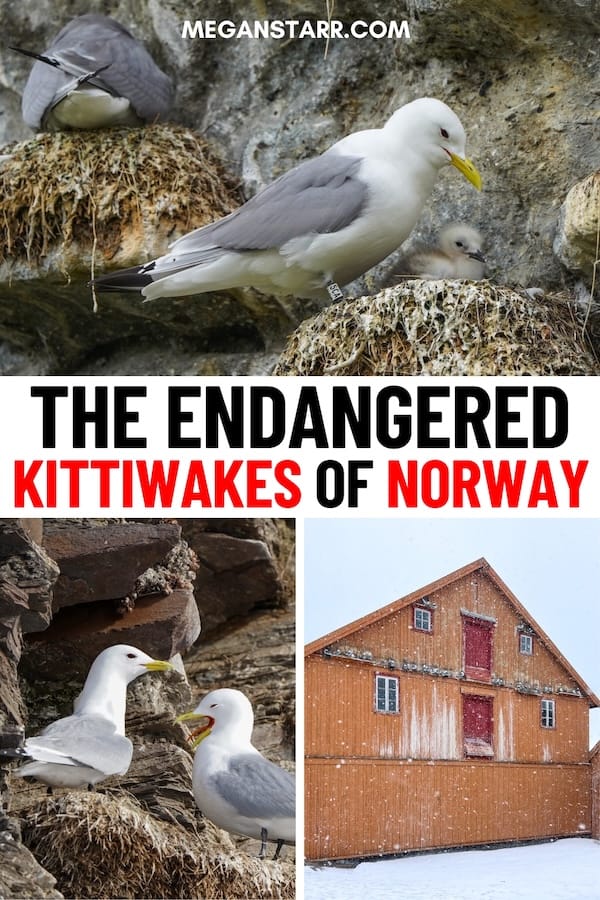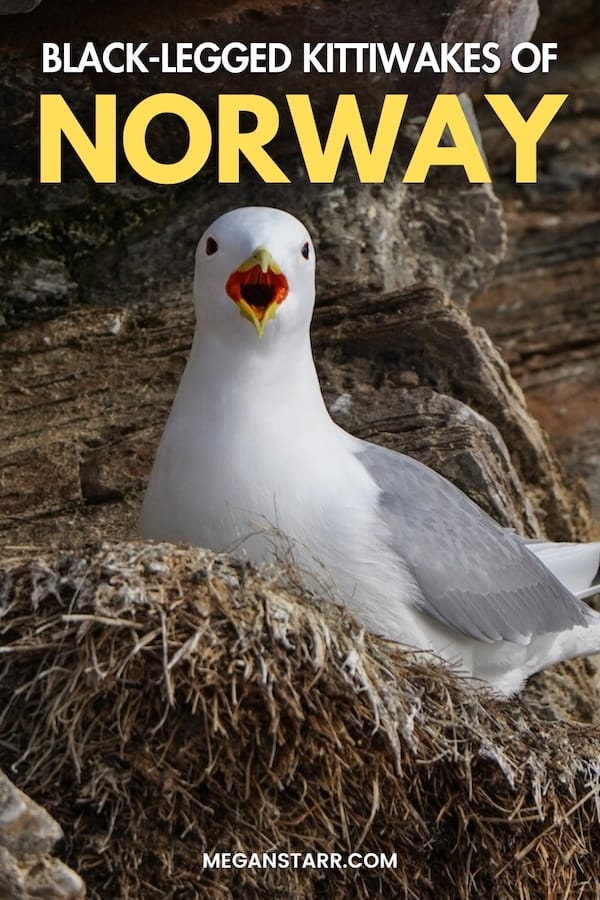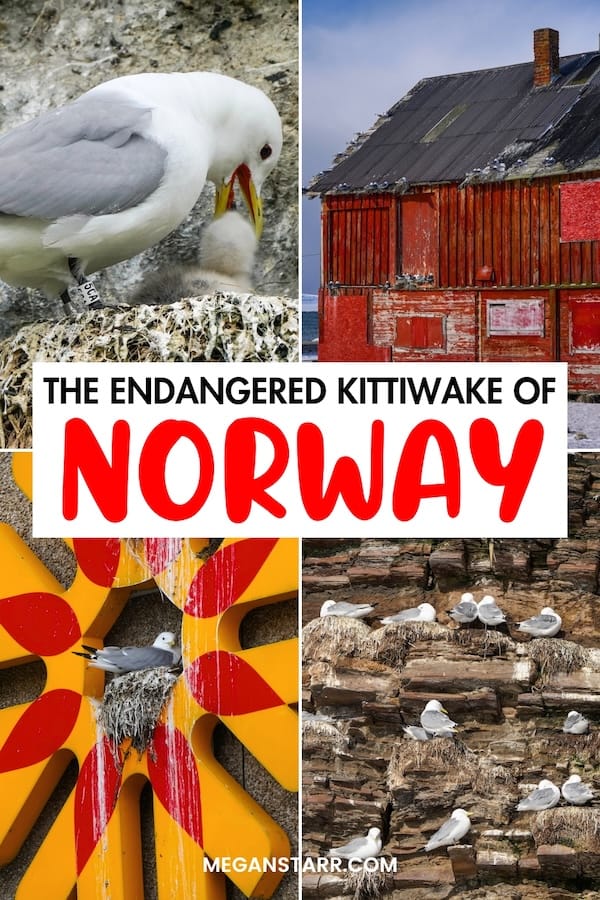

Getting to Know Norway’s Endangered Black-Legged Kittiwake (Krykkje)

This site uses affiliate links, meaning that if you purchase through my links, I may earn an affiliate commission, at no extra cost to you.
A handful of years ago, I remember seeing this same black-legged bird nesting on buildings across the Norwegian Arctic. I didn’t think much about it, but I did notice that its behavior seemed a bit different than the typical seagull I was used to.
Some years later, I learned that this bird was the black-legged kittiwake (Rissa tridactyla), a species that is endangered in Norway. Kittiwakes are known as Krykkje in Norwegian.
I still didn’t think much about the kittiwakes in Norway until I realized that we kind of liked to hang out in the same places.
Varanger Peninsula? Yep… we both hang out there. Lofoten Islands? Yep, we’re chillin’ together there too. Svalbard? Yes, yes. We really have the same taste in destinations, even if they are calling it ‘home’ while I am merely calling it ‘my dream home’.
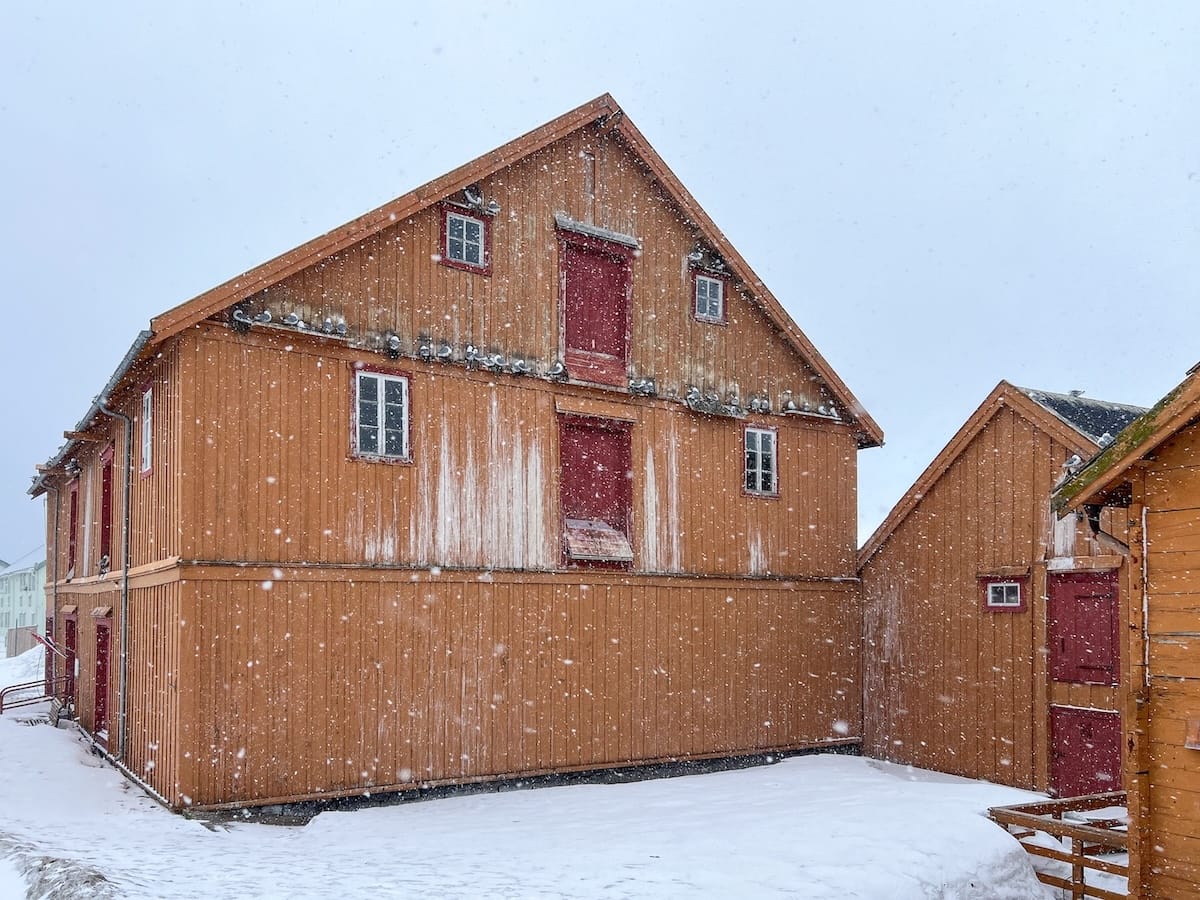
They say that you start turning into a birdwatcher as you age, and I was no exception. But, I gravitated toward the birds of the Arctic and didn’t take on as much of an interest in birds outside of the region (even if the birds I love spend part of the year south).
Puffins, guillemots, little auks, eiders, etc… I love them all. But I started to grow especially fond of the kittiwake, as misunderstood as the bird is.
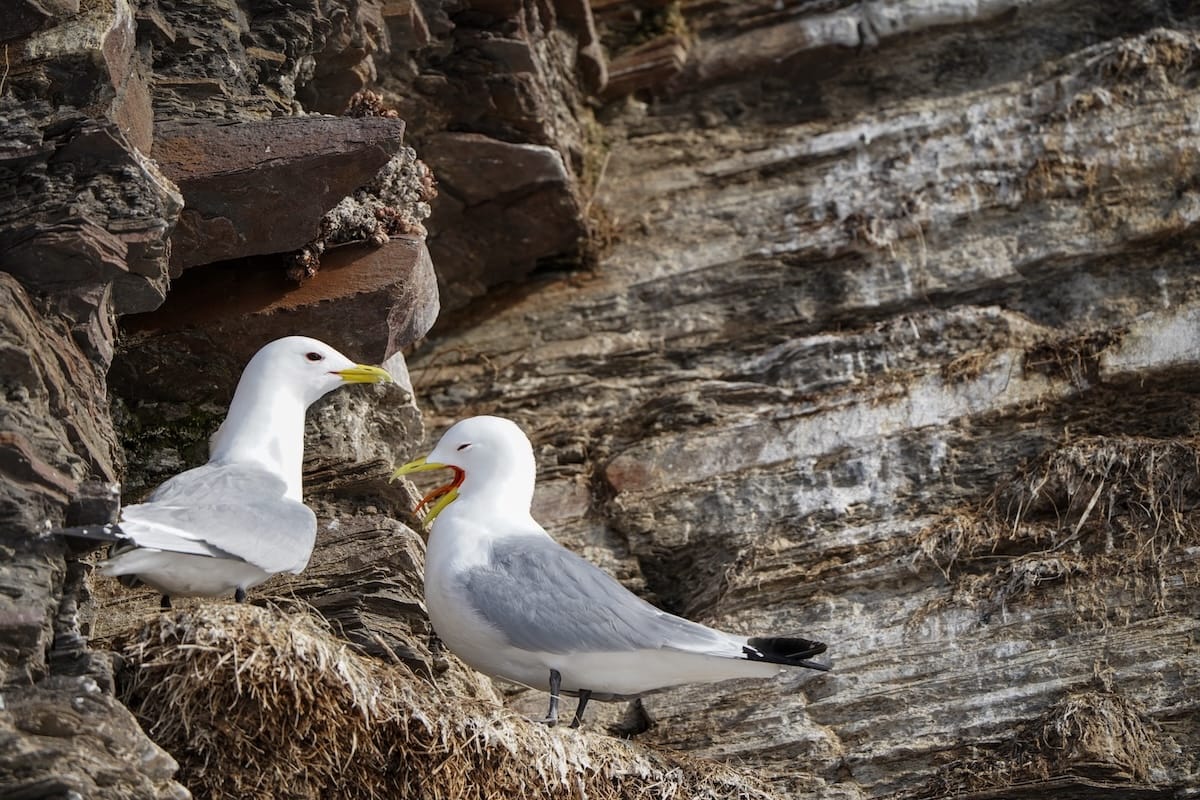
I guess the thing about growing up close to the Atlantic Ocean is that seagulls were considered a nuisance. Sandwiches at the beach were a lost cause. Food on a picnic table was a charitable donation to whatever ravenous gull lurked nearby.
Learning that the black-legged kittiwake, a small to medium-sized gull, had behavior atypical of other gulls kind of blew my mind. But quickly made them move up my ‘Birds I Love’ list (because, yes, I have one of those).
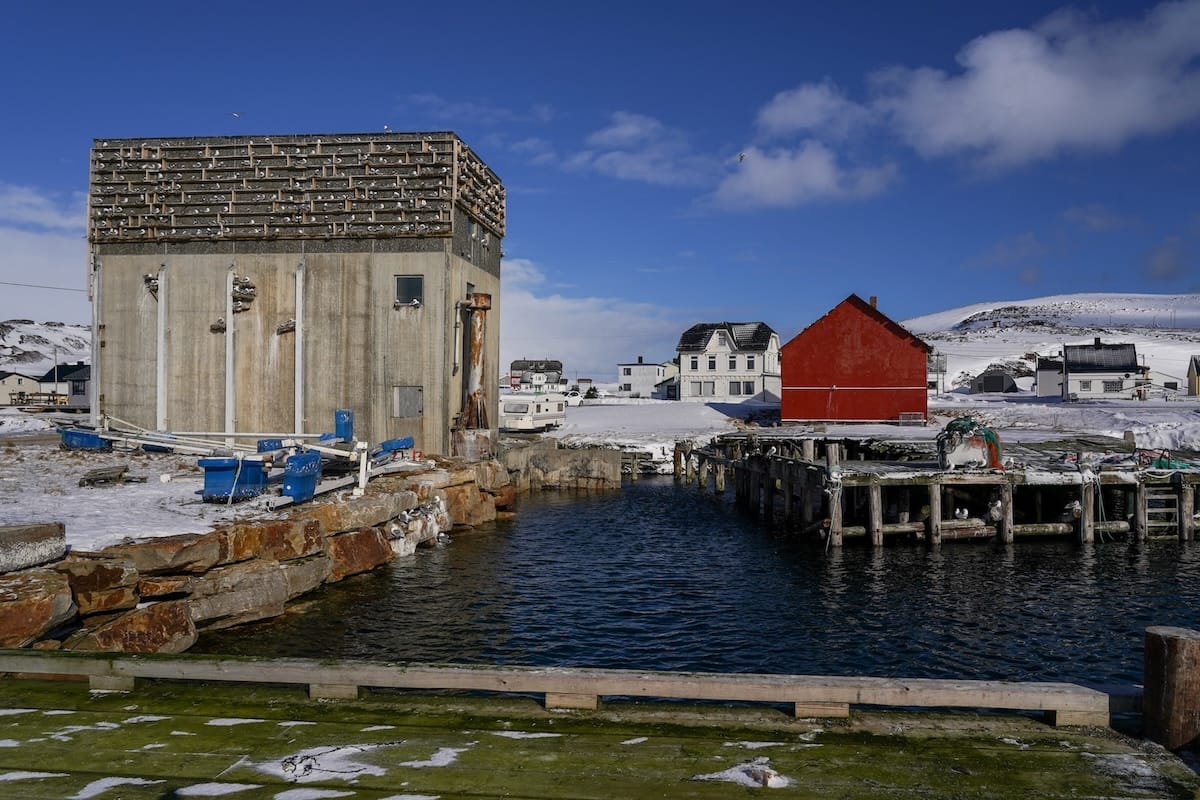
The kittiwake is misunderstood and suffers because of the rap sheets of other gulls. This misperception has resulted in a struggle for coexistence with the bird in several Norwegian cities and towns. I even started to notice a destruction of nests in Tromsø from an April 2024 trip to one a year later.
I guess that is why I feel compelled to write this post in the first place. If even just a few people read this and understand that these gulls are different and that they are facing dire consequences in Norway, then it was worth it.
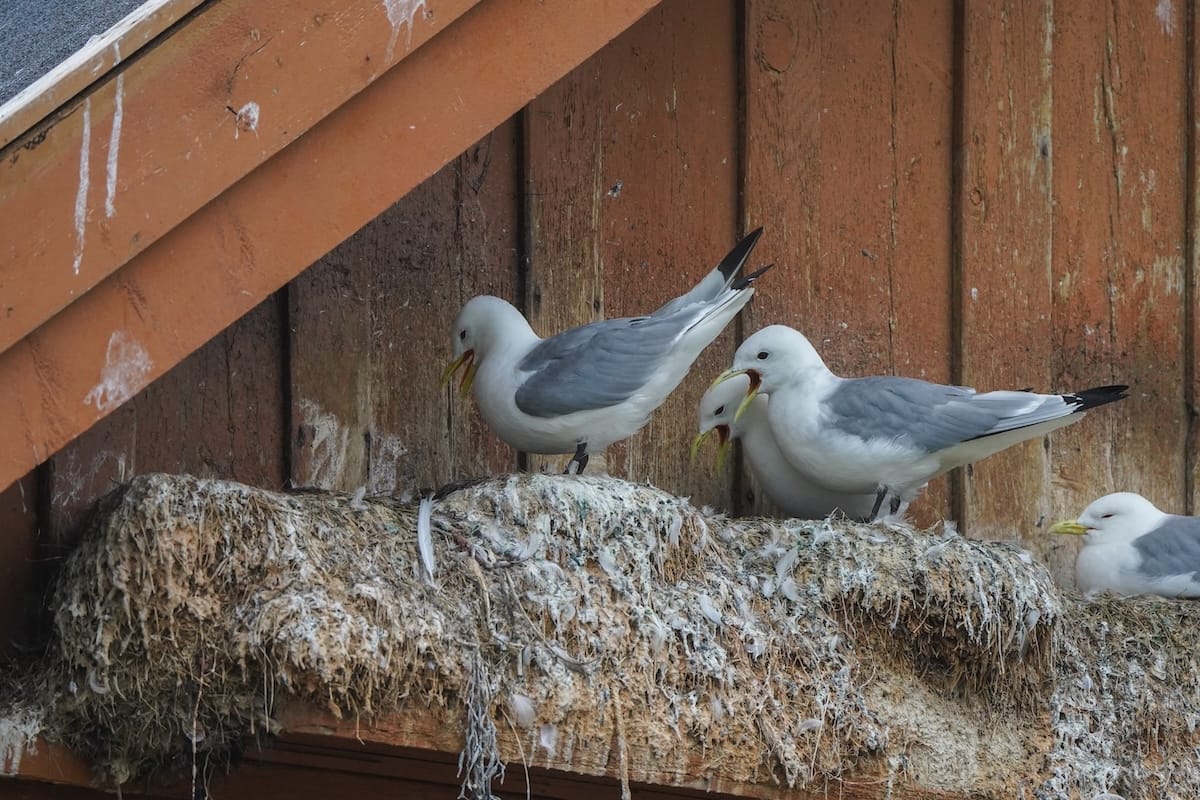
What is a black-legged kittiwake, and how does it differ from other gulls?
Norway has a total of seven different species of gulls, including herring gulls (the one I tend to see the most), great black-backed gulls, and the black-legged kittiwake. Kittiwakes have a unique sound, and it differs from other gulls, which is the first way to notice the distinction.
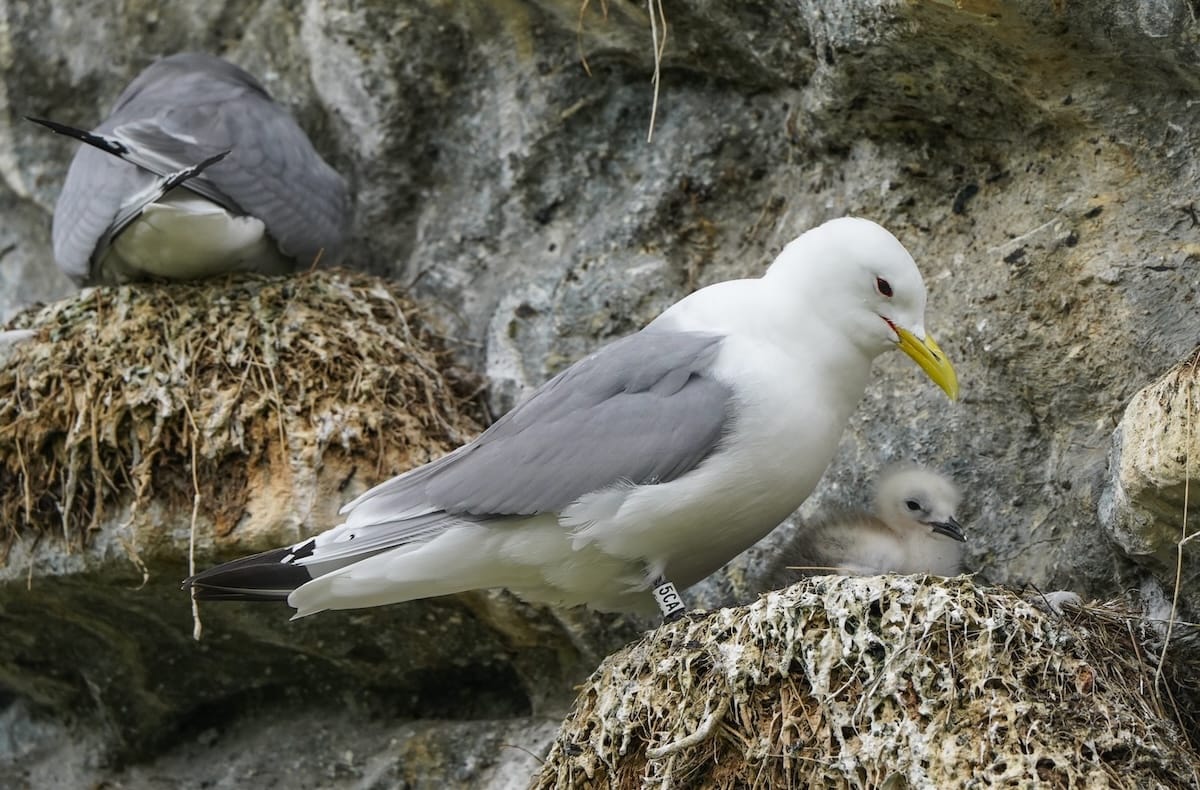
They are small-sized, have a yellow bill, and black legs. They also have noticeable black wing tips, and there is no red spot on their bill. You can see some noticeable differences in the graphics I created below:
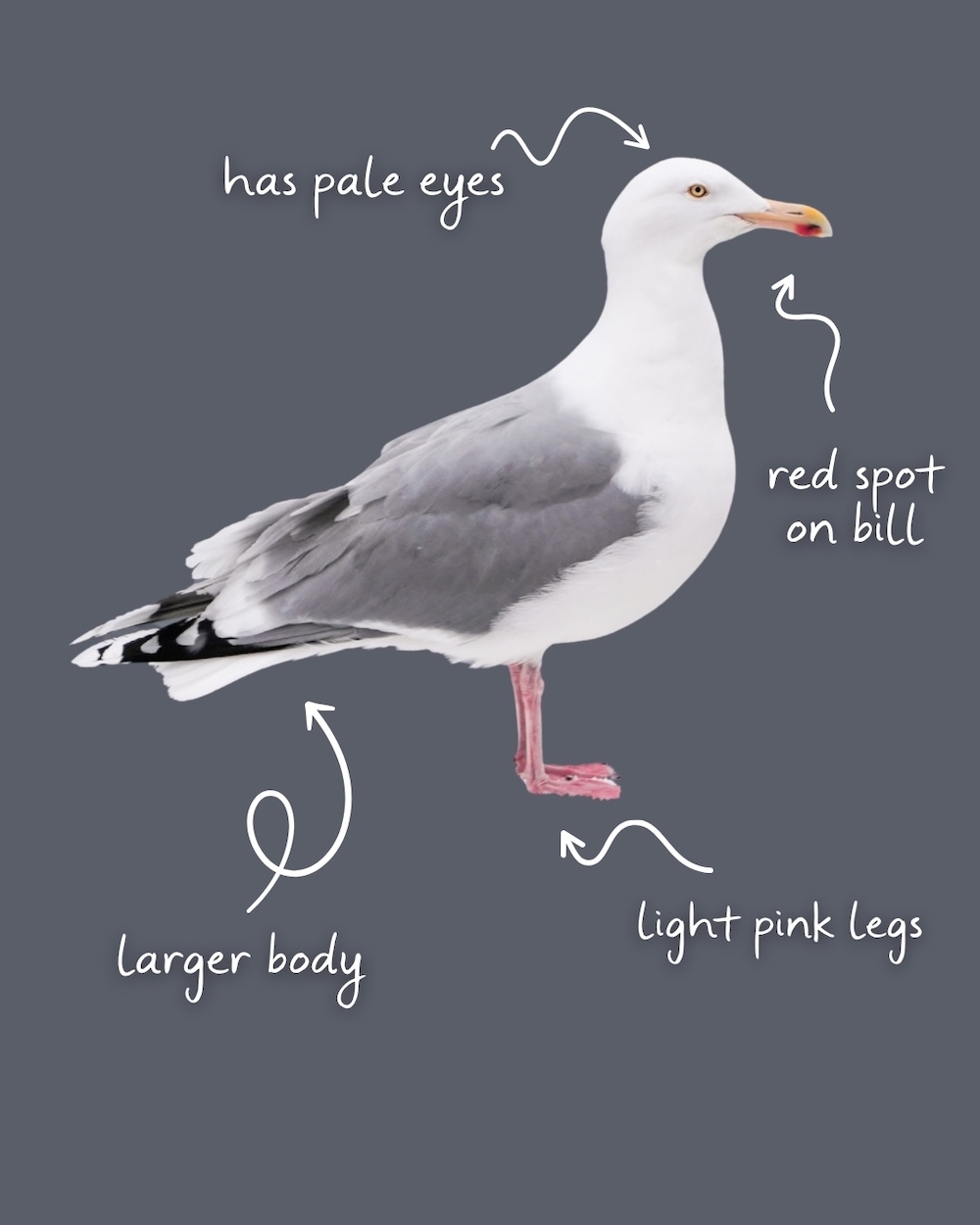
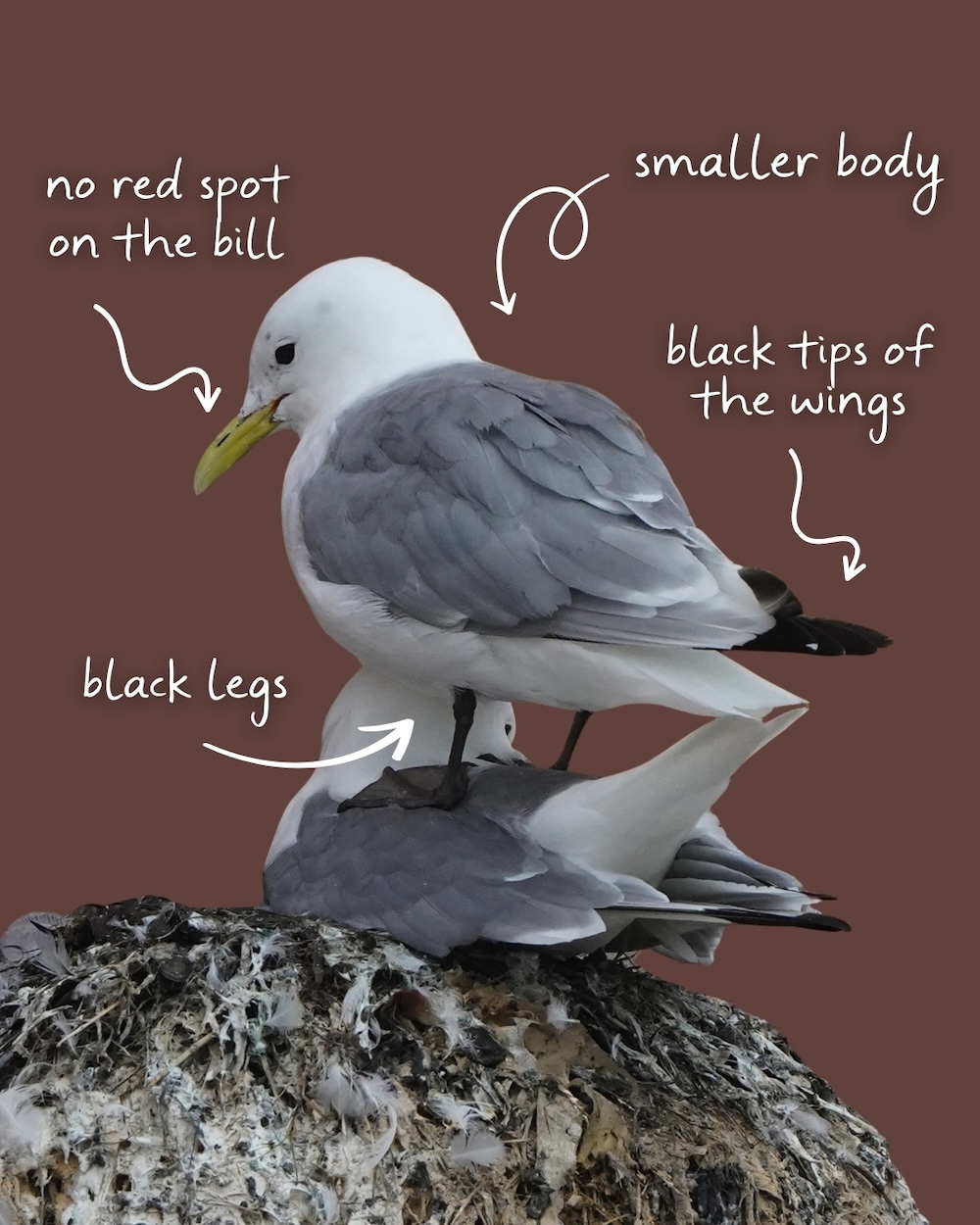
If you’re seeing kittiwakes in Norway, you will generally be seeing them during the spring and summer months (March to August, give or take), when they are building a nest and incubating their next generation. Kittiwakes generally have 1-3 chicks born, with three being on the rarer side.
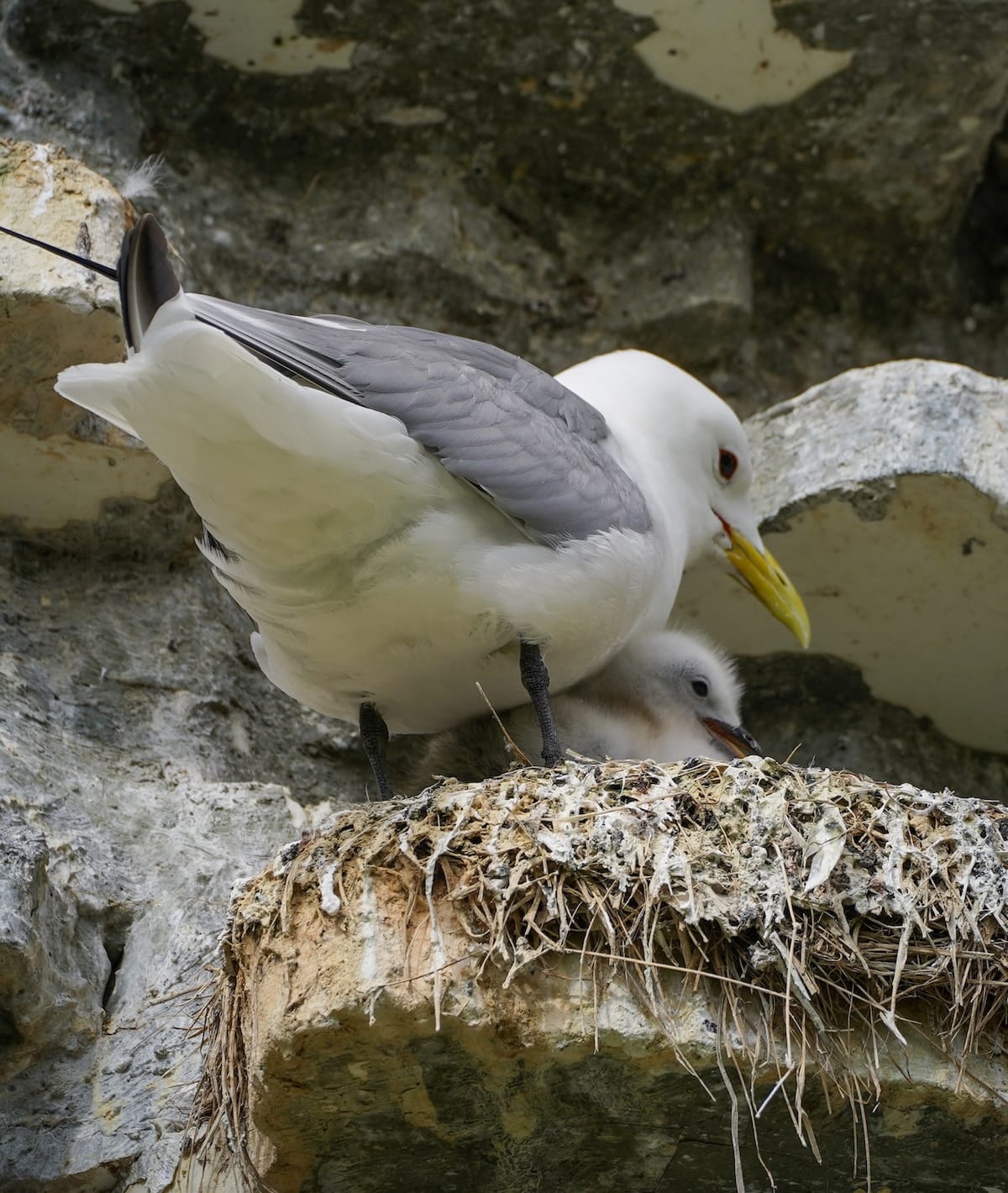
Pairs participate in nest-building together, while the male does the fishing and feeding at the time the pair is incubating. It is a pretty harmonious (and beautiful) relationship, and it is easy to watch the process happening if you see them during this time of the year.
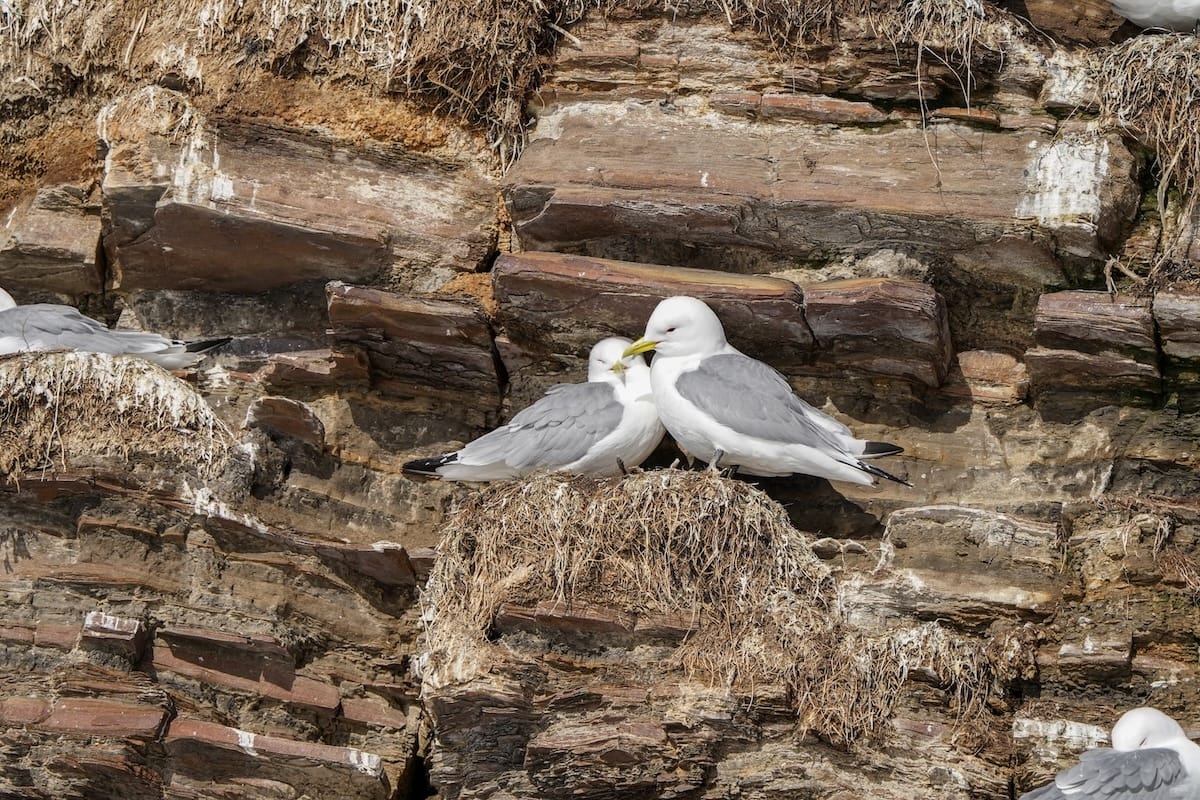
Norway is not the only place the kittiwake lives and it can be found in Nova Scotia, Greenland, Iceland, Newfoundland, the UK, Spain, France, and other parts of the world. The location can be dependent on the season. And when a kittiwake pair builds a nest, they continuously come back to it each year (and they can live for 25+ years).
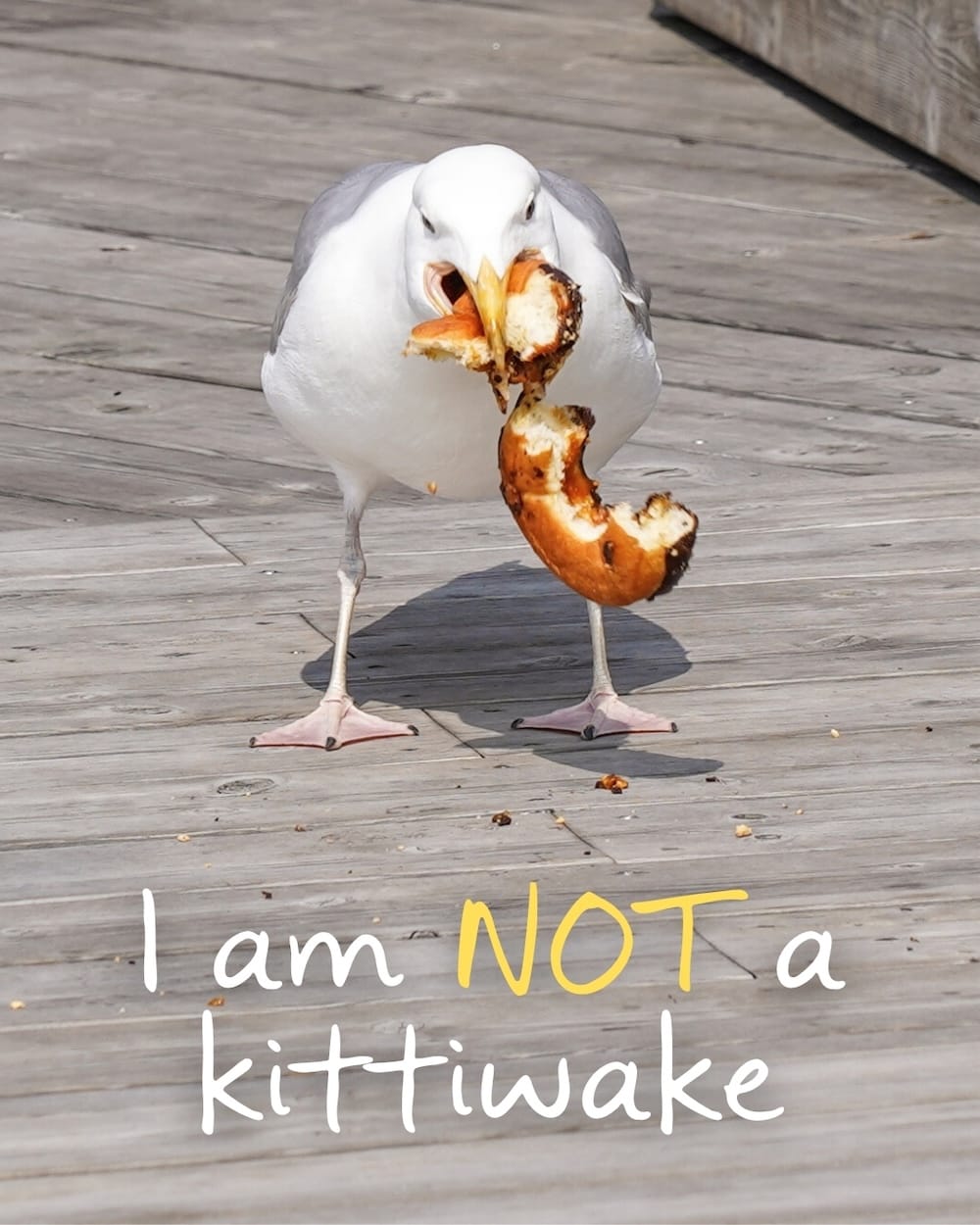
Kittiwakes eat small fish and invertebrates from the sea. Unlike their gull cousins, they do not live off of French fries and sandwiches from picnic tables. Or doughnuts from Talormade in Oslo, like this one that stole mine.
Where can you find kittiwakes in Norway?
You can find kittiwakes in several spots around Norway during the spring and summer months. They are pretty pelagic but come ashore to cliffs (or buildings… more about that below) to breed from March until August.
I have seen kittiwakes in Tromsø, Svalbard (several places, but there is a large colony on the Pyramiden Hotel that I remember), all over the Varanger Peninsula (I have seen them in Ekkerøy, Kiberg, Vardø, Berlevåg, etc), Runde, the Lofoten Islands, and beyond.
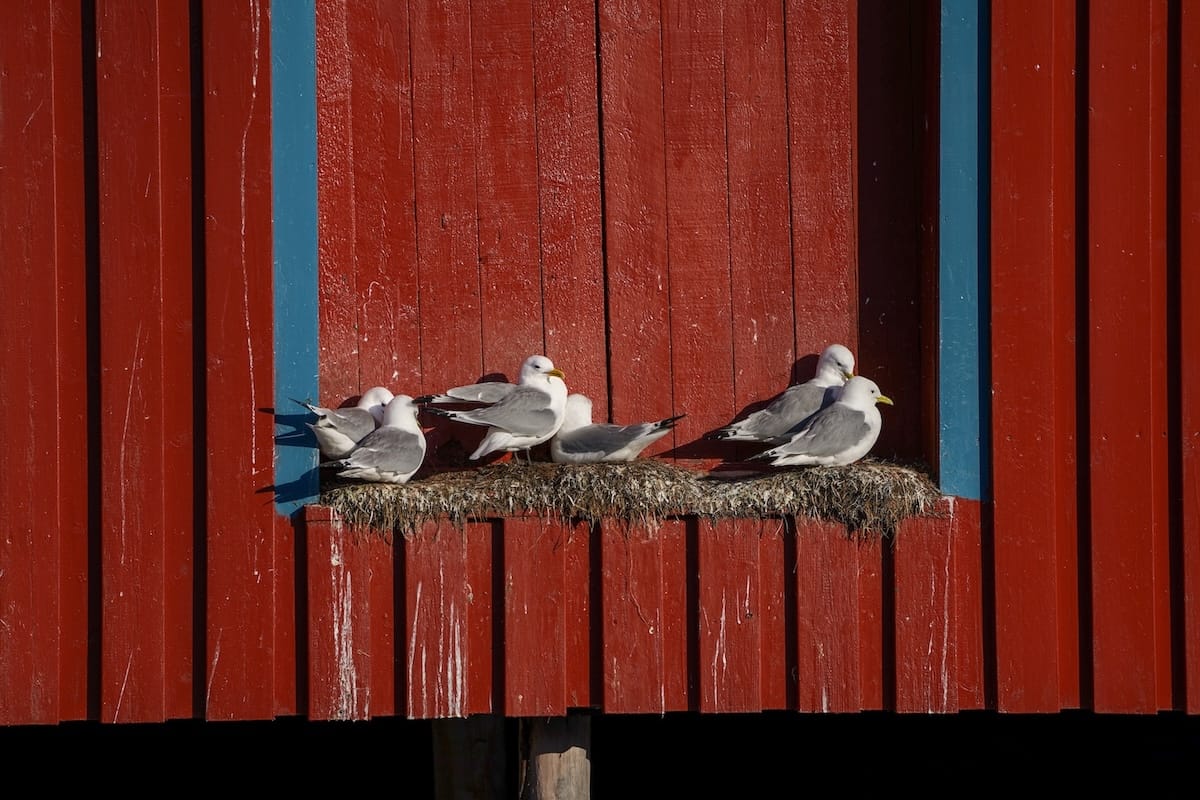
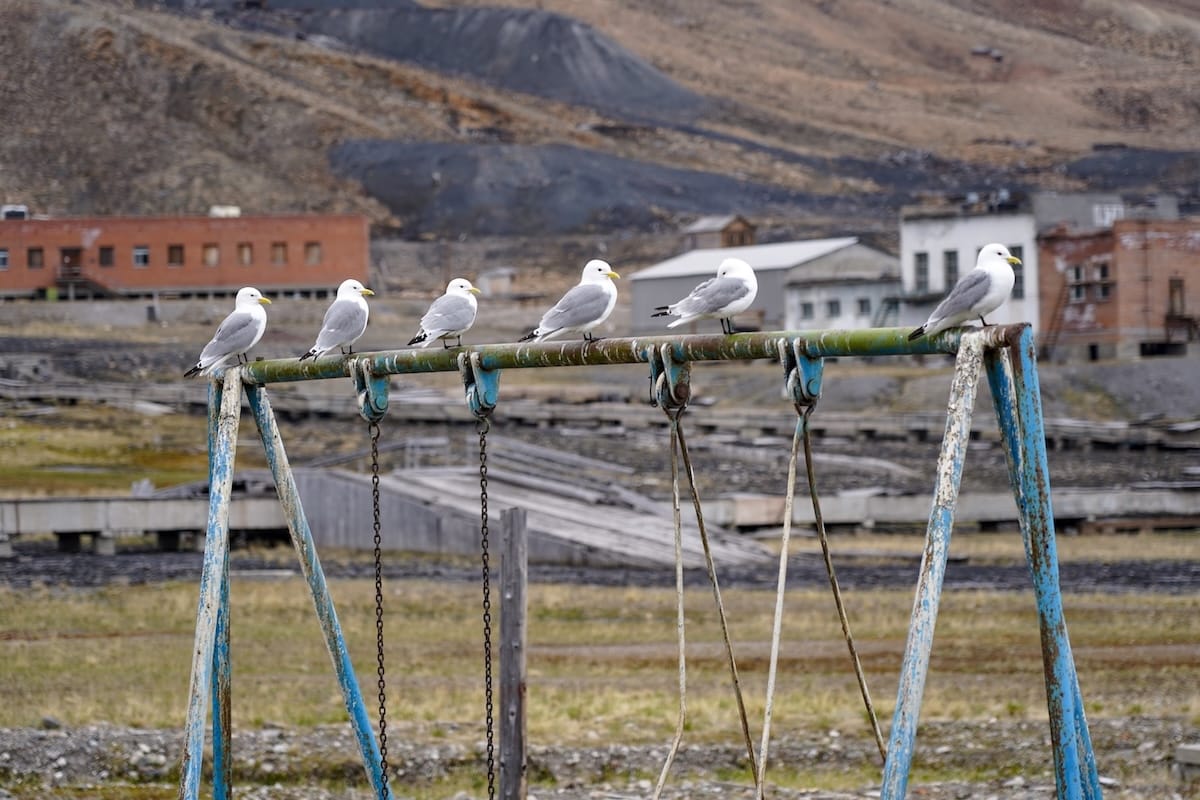
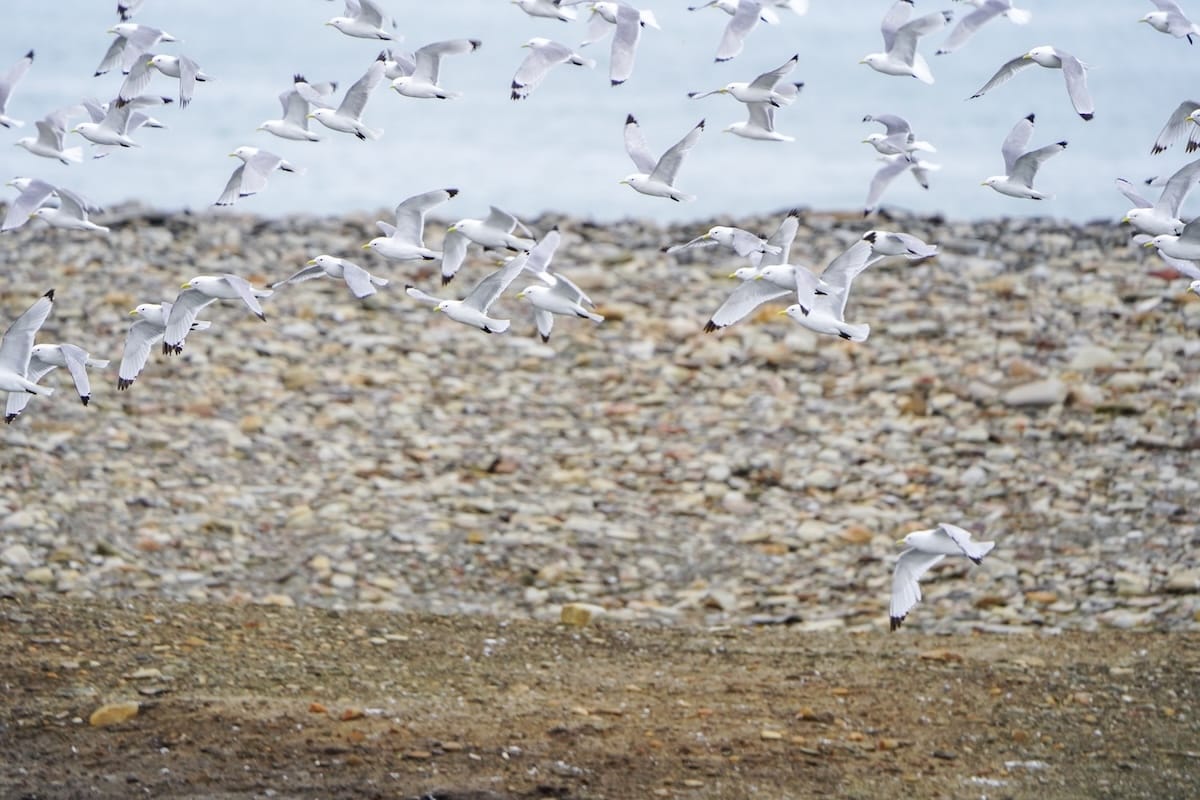
I am planning to create a post in the near future about some of the kittiwake colonies in Norway.
Challenges Kittiwakes Face Today (& Why)
The black-legged kittiwake wasn’t always hanging around the Tromsø harbor or other urban places. They have experienced a rapid decline in recent years and what used to be Norway’s most ubiquitous gull has become endangered.
There has been a 60-80% decline in numbers along the Norwegian coast, and they are expected to be completely gone from Norway in the next 50 years (or sooner).
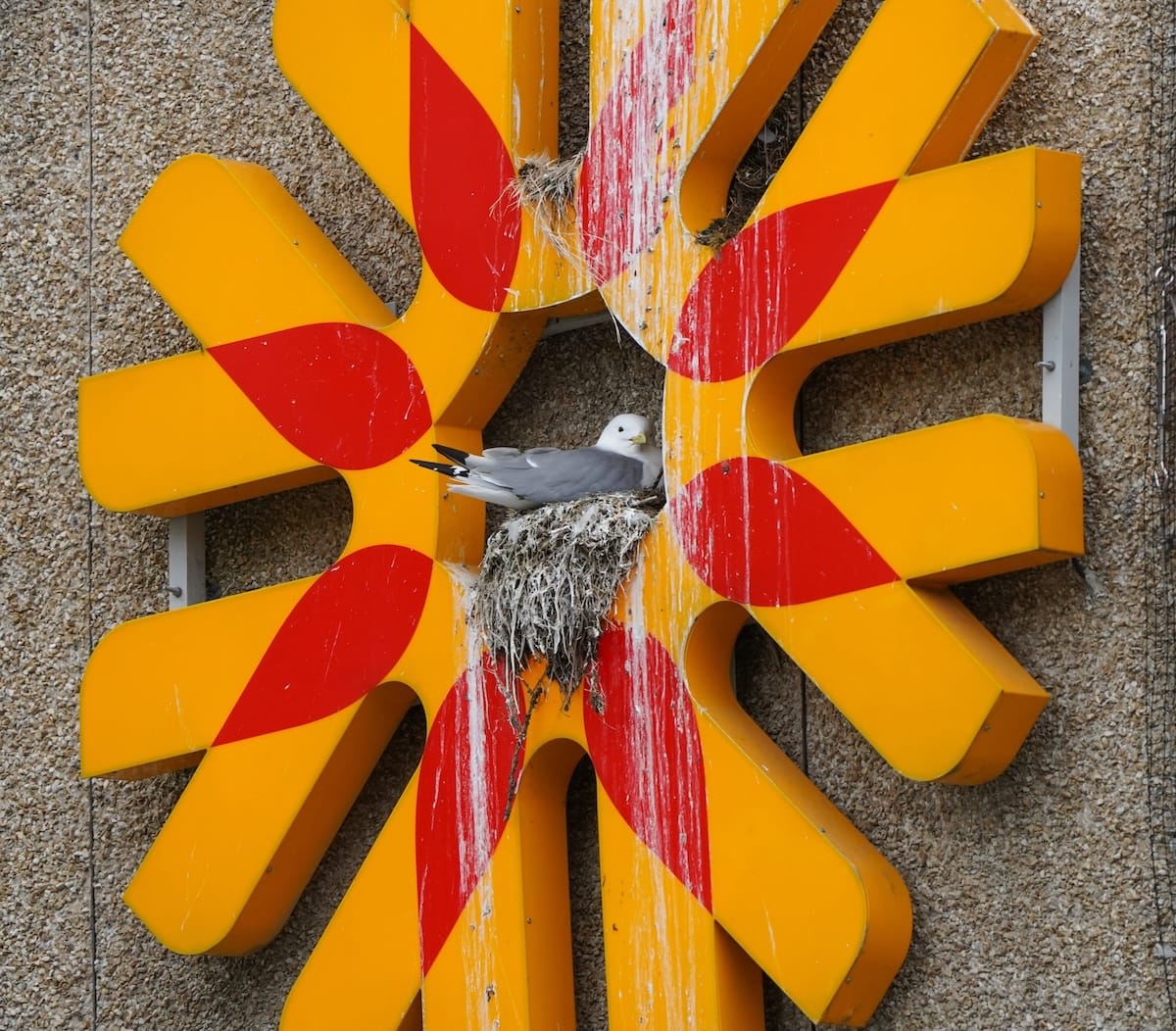
Kittiwakes have been met with many challenges in recent years, leading to their urbanization. While not every reason is yet known, it is pretty obvious that something is happening in their usual environments that is causing them to move to urban spaces. Things like overfishing and climate change almost certainly have an immediate impact on the black-legged kittiwake numbers.
Stronger storms make survival on sea cliffs a bigger challenge than before. Overfishing disrupts the entire food chain, resulting in new and unlikely predators around their colonies.
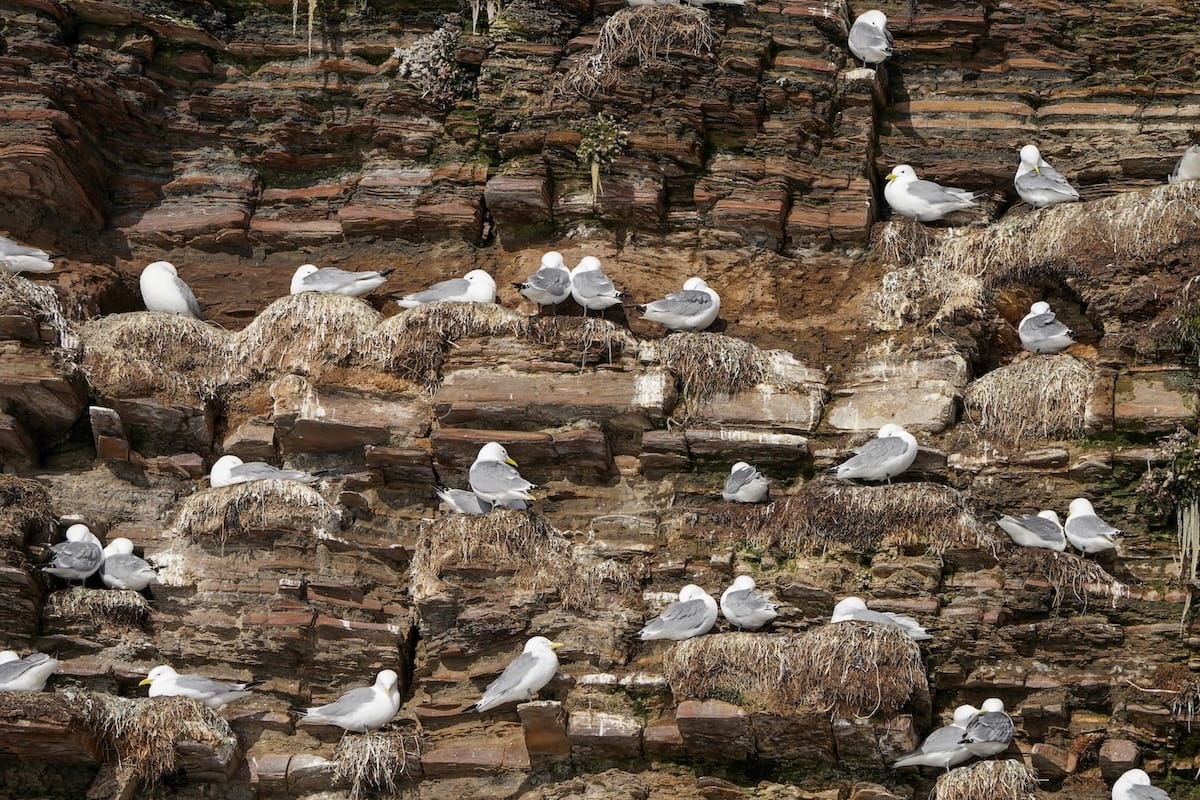
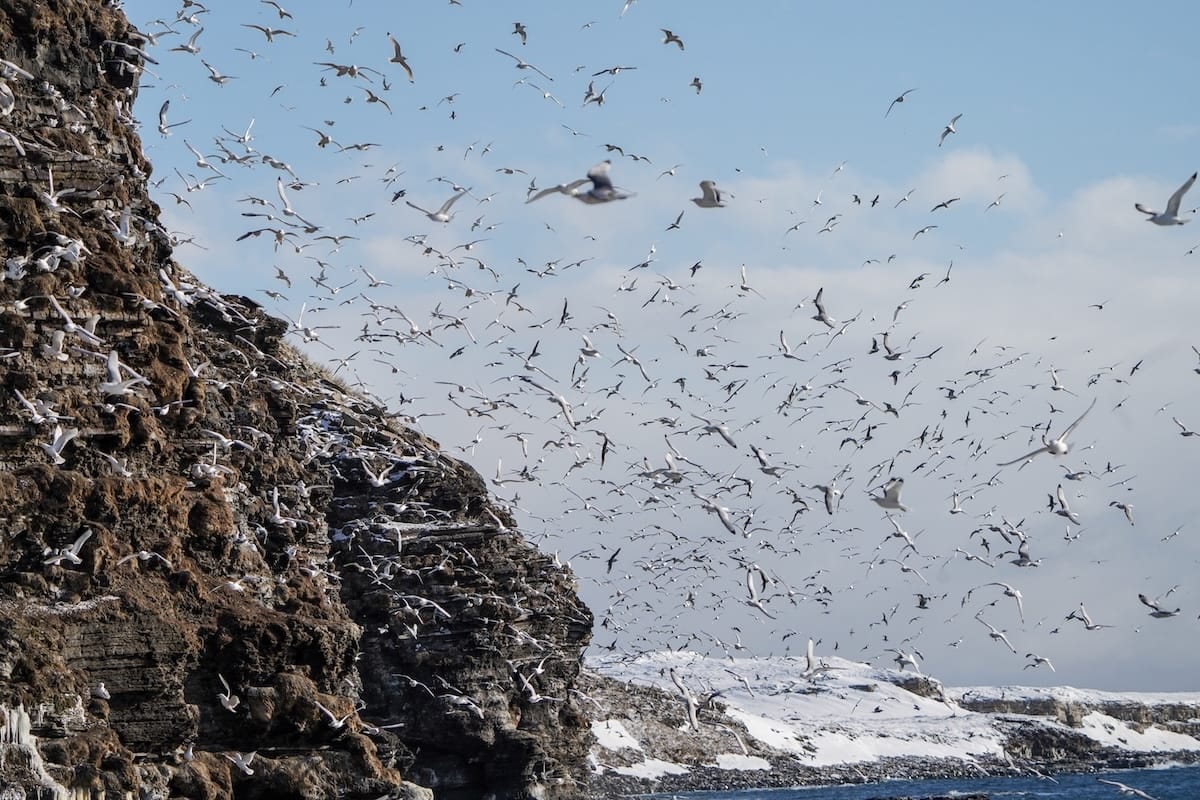
Per usual, this all traces back to us. And the kittiwakes have taken refuge in cities and villages in the hope of survival.
While the kittiwakes are doing their best to adapt to their new environment, the residents of many urban places are not making strides to adapt on their end. Instead of welcoming the endangered kittiwake, many have put up deterrents and destroyed nests. And destroying the nest of an endangered species is nothing short of repulsive… not to mention illegal.
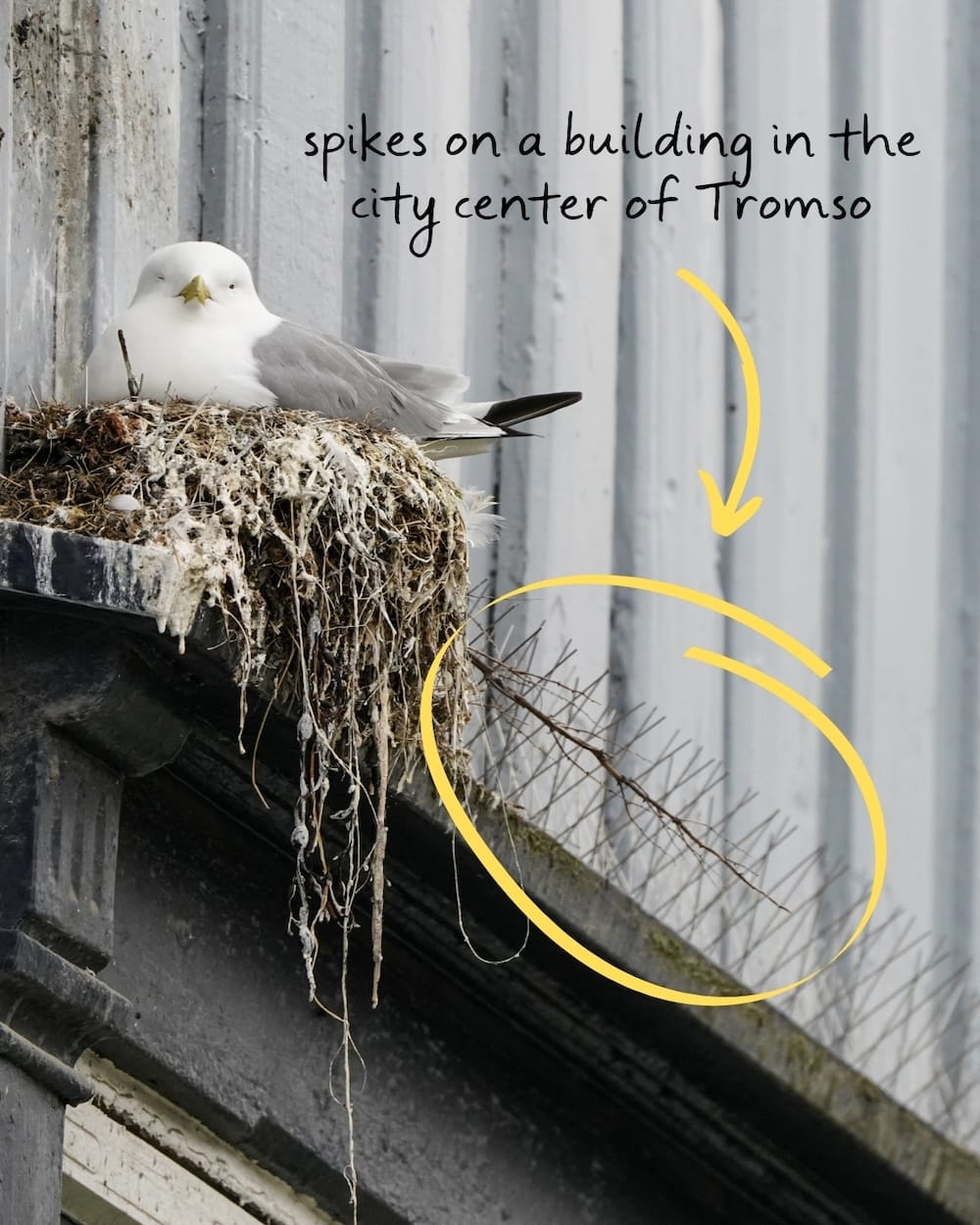
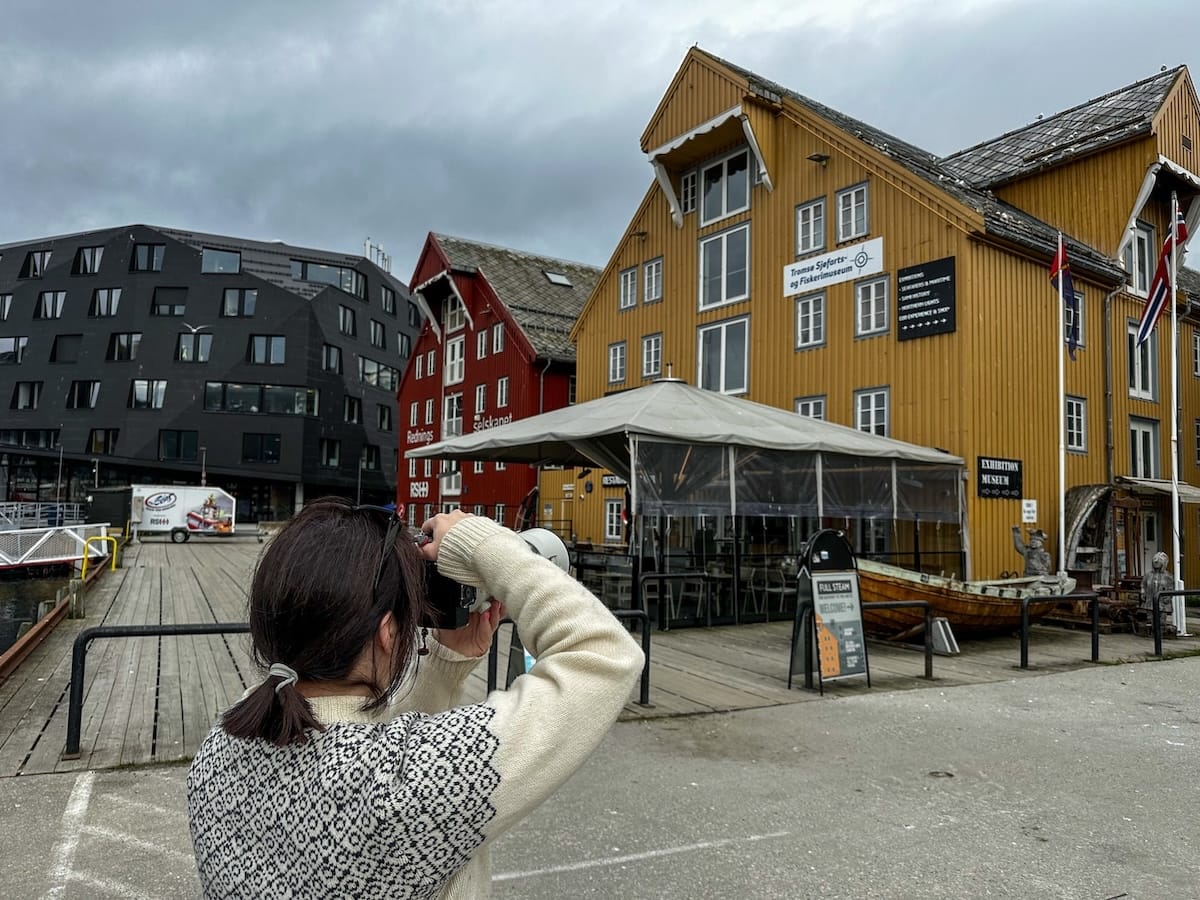
A Tromsø restaurant I used to recommend on this blog (Full Steam) put up deterrents, and I have seen noticeably fewer kittiwakes this year as a result.
Imagine if they could embrace the situation rather than shun it. How hard is it to use the kittiwakes as a tourism ploy? It could certainly bring in more money for the business.
How can we help Norway’s kittiwakes?
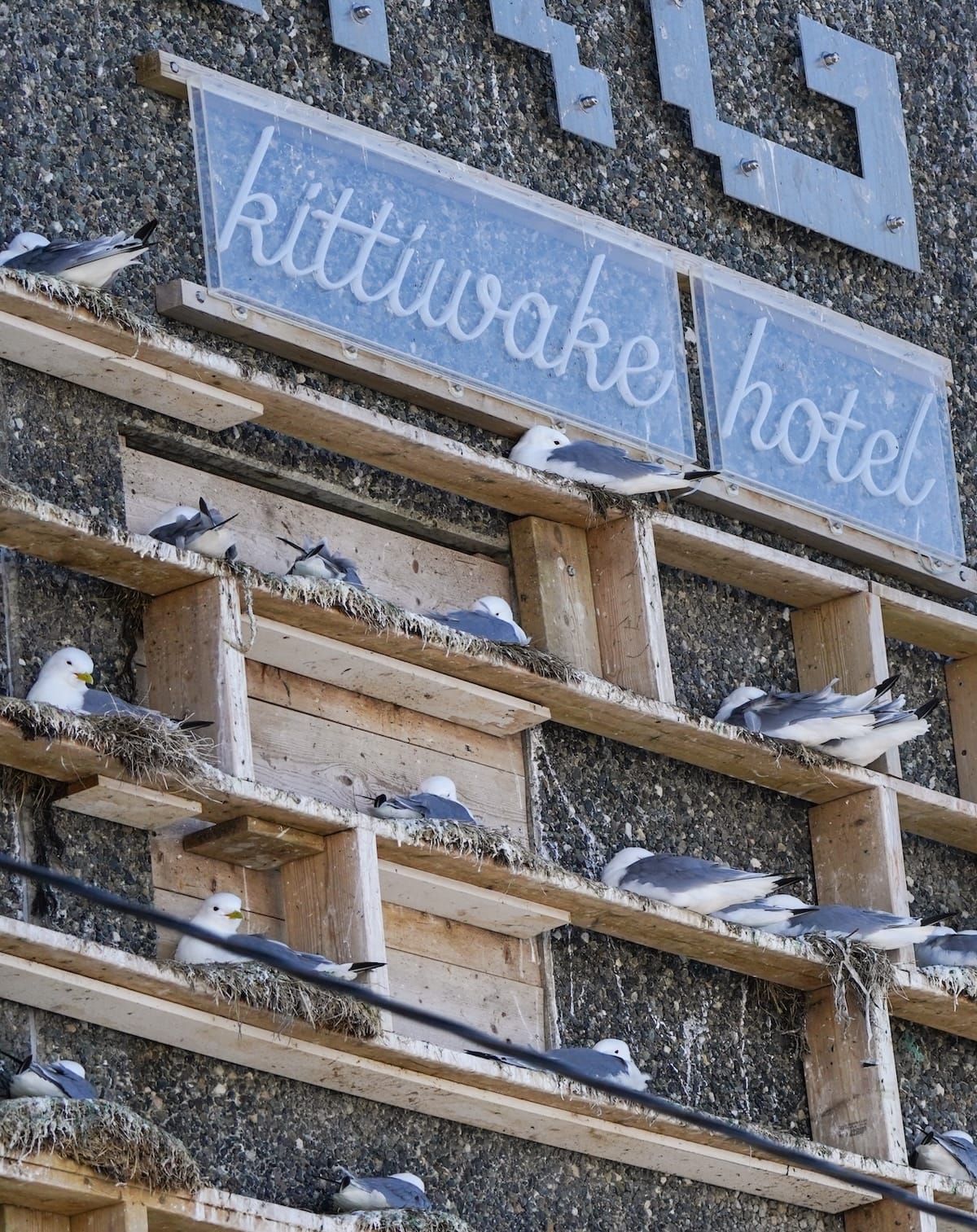
Organizations like Rissa Citizen Science in Tromsø are working tirelessly to educate residents about the kittiwake and how to coexist with it. Kittiwake hotels are also being built across various parts of Norway, helping to give these birds some sort of familiarity as they return to the site of their nest year after year (even if it has been destroyed).
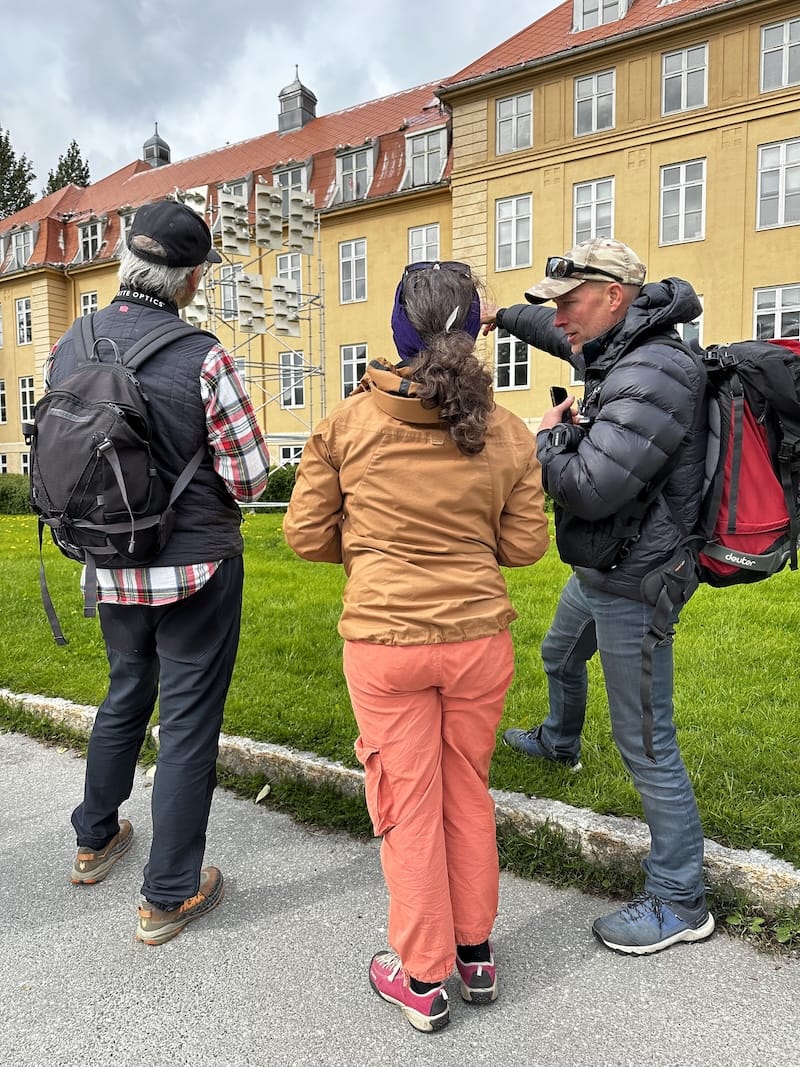
Concerned Tromsø residents and visitors are also volunteering to do ‘Kittiwalks’ with Rissa Citizen Science, where they can learn more about the part-time inhabitant and help survey and document their numbers.
Introducing Rissa Citizen Science
Rissa Citizen Science is a Tromsø-based team whose mission statement is “to raise empathy for nature through community engagement, citizen science and result-oriented actions”.
Founded by Delphin Ruché, they have projects that locals and tourists can both participate in, like their Kittiwalks, restoring kelp forests around Tromsø, mapping and restoring campfires, and beyond. Learn more here.
While these may seem like small gestures at first, they play a huge role in the survival of the species.
So, what can you do?
I think the first step is to be educated on what a kittiwake is and what challenges it is facing. Share that information with people you think may care or take an interest in it.
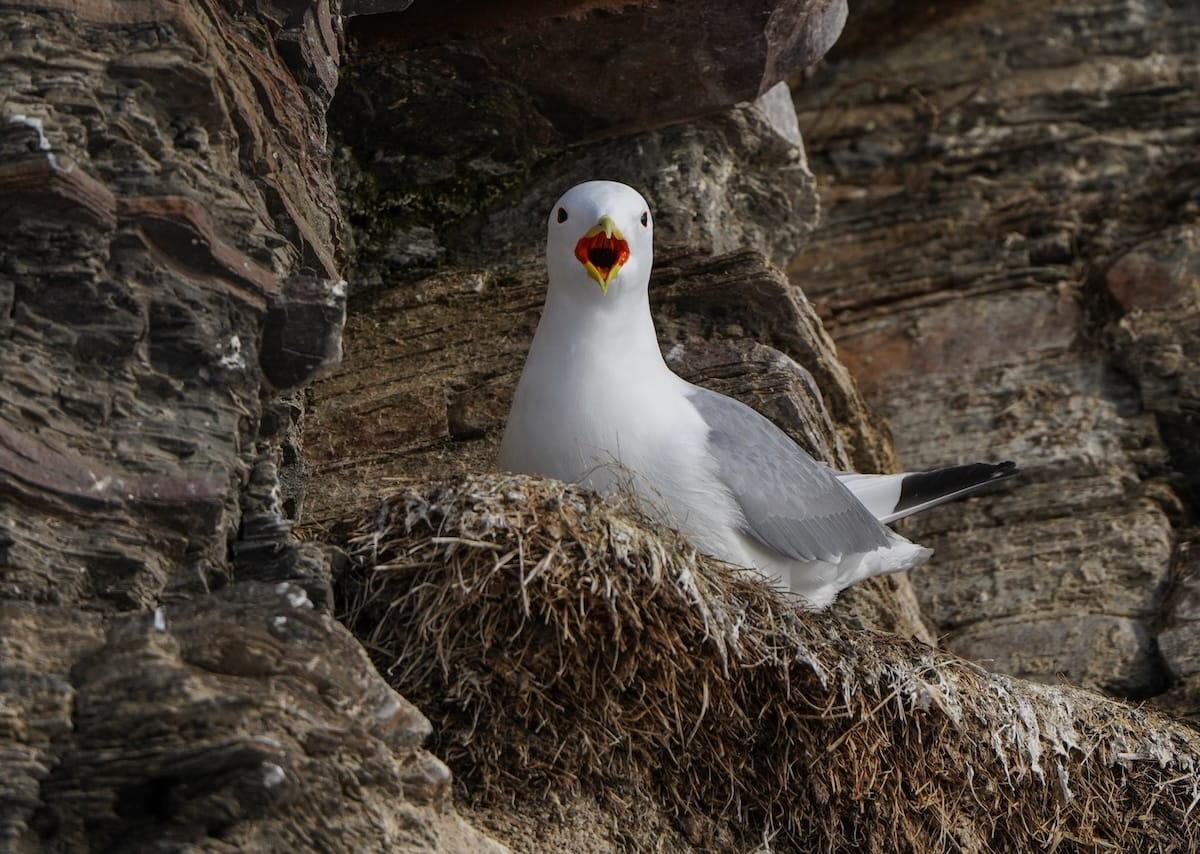
Secondly, if you are interested in birdwatching and/or the Arctic, take the opportunity to photograph and share the kittiwakes if you’re in a location where they take up residence. If there is a kittiwake hotel, take photos and share them on social media and with friends.
A lot of people fight to raise money for these types of projects, and it means a lot when people seek them out on their travels!

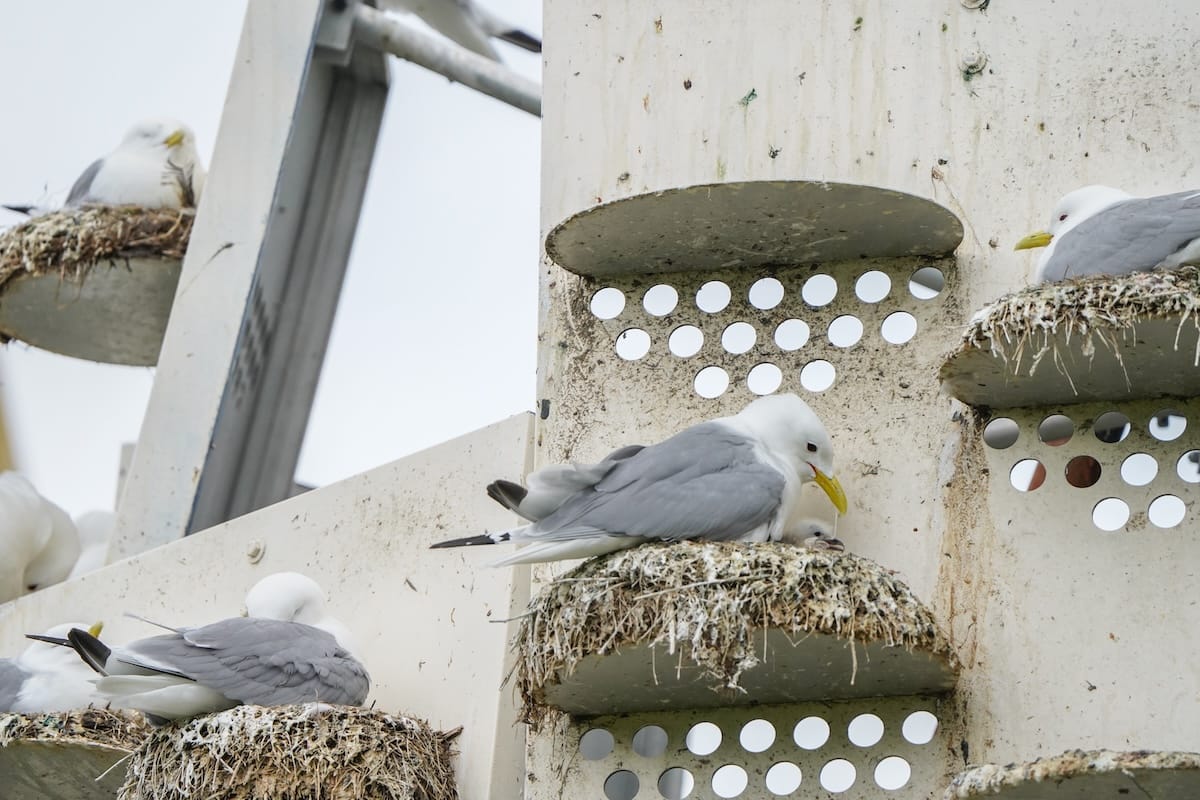
Lastly, if you find yourself visiting Tromsø in summer, join a Kittiwalk with Rissa Citizen Science!

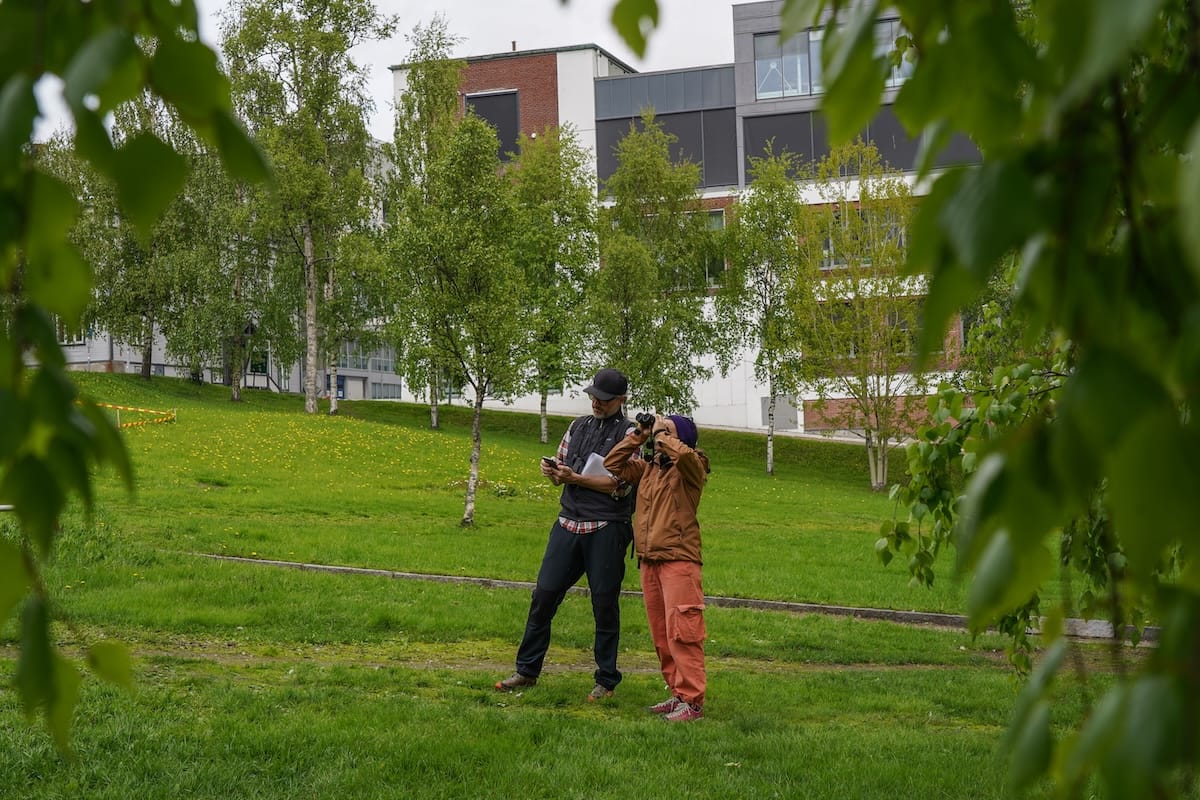
They have them regularly, and it’s the perfect chance to learn more about the bird and what we can do to ensure it can forever call Norway its summer home.
Do you have any questions about the black-legged kittiwakes in Norway? Let me know in the comments!
Enjoy this post? Pin it for later!