

20 Fun Things to Do in Hilo, Hawaiʻi (+ 2 Things to Skip!)

Are you planning to take a trip to the Big Island this year? If so, you have to make sure to visit Hilo! This is a guide to the best things to do in Hilo, Hawaiʻi… the gateway to Volcanoes National Park and some of the most incredible waterfalls on the island!
Quick Hilo Travel Guide
If you’re traveling to Hilo last minute, ensure you have lodging and tours booked ahead of time (as much as you can)! Below are some of my top picks on the Big Island.
🌋 Best tours and activities in Hilo:
- Hawaiʻi Volcanoes National Park + Hilo highlights (bestseller from Hilo)
- Ziplining over Kolekole Falls (and the Hāmākua Coast!)
- Helicopter ride over Volcanoes National Park (such a cool experience!)
🛌 Top places to stay in Hilo (and nearby):
- The Inn at Kulaniapia Falls (has a private waterfall!)
- Orchid Tree B&B (the cutest place north of the city)
🍲 Popular places to eat in Hilo: Moon and Turtle, Jackie Rey’s Ohana Grill, Kenichi (my favorite ramen spot!), Ken’s House of Pancakes
🚗 Traveling to the Big Island independently? Be sure to book your rental car ahead of time to ensure availability!!
Hilo is a rainy place, and even from my first trip there, I remember how erratic the weather could be. However, it is an important stop on your Big Island itinerary if you want to see the contrast between Kona and the other side of the island. And I actually think the city and the places nearby are severely underrated.
While Hilo is best known for its day trips like Volcanoes NP, Rainbow Falls, etc., there is also plenty to see within the city. This guide captures some of those can’t-miss day trips AND some places in the city that should be on your Hilo bucket list!
🌺 Please click here to see my Hawaiʻi Land Acknowledgement.
If you have any suggestions for what to do in Hilo, please pop them in the comments for other travelers to see and for me to enjoy the next time I am in Hilo. Thanks!
Best Things to Do in Hilo
I have curated a list of my favorite things to do in Hilo, including local parks, waterfalls, black sand beaches, and more. At the end, you will also see some of the best food spots. If I missed any spots you think deserve to be on here, let me know!
You will also notice that at the end of the guide, I put two activities I don’t recommend doing and a few reasons why.
1. Take a day trip to Hawaiʻi Volcanoes National Park.
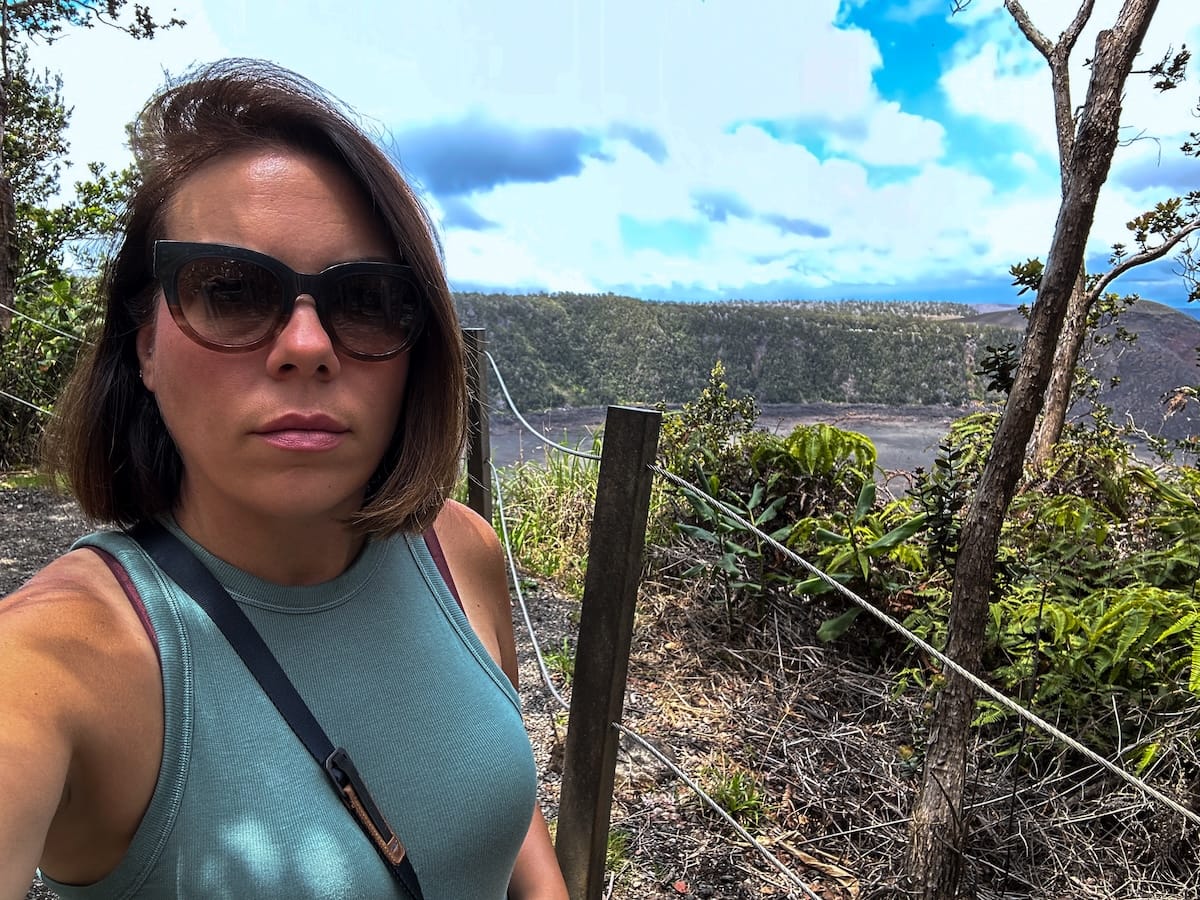
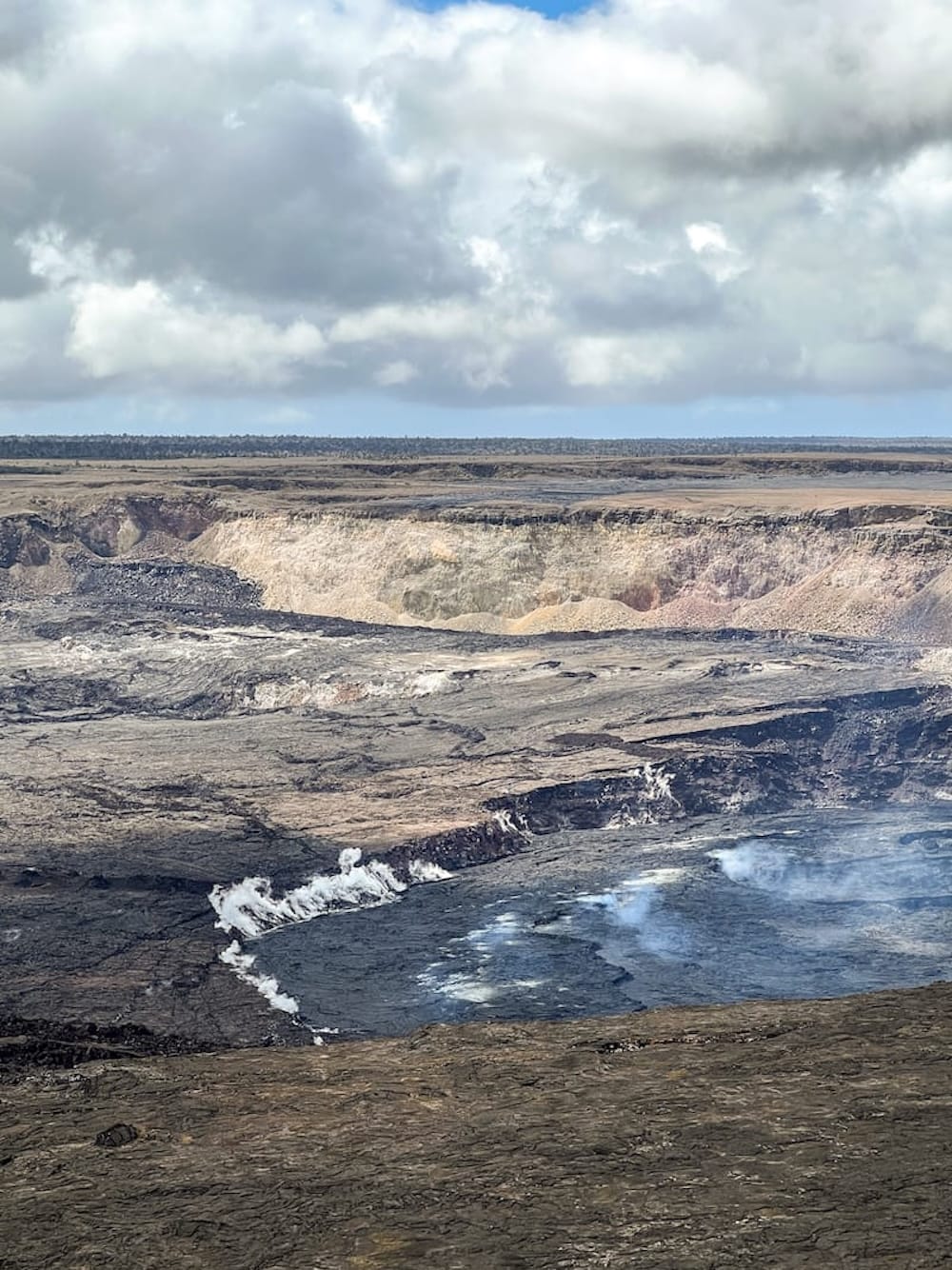
One of the most famous places to visit on the Big Island is Hawaiʻi Volcanoes National Park. Located 29 miles away from Hilo, it makes for the perfect day trip from the city.
Throughout the park, there are amazing viewpoints along Crater Rim Drive, where you can look down into the smoldering volcanic craters. If the volcanoes are active, you might be lucky to see lava flowing within the crater!
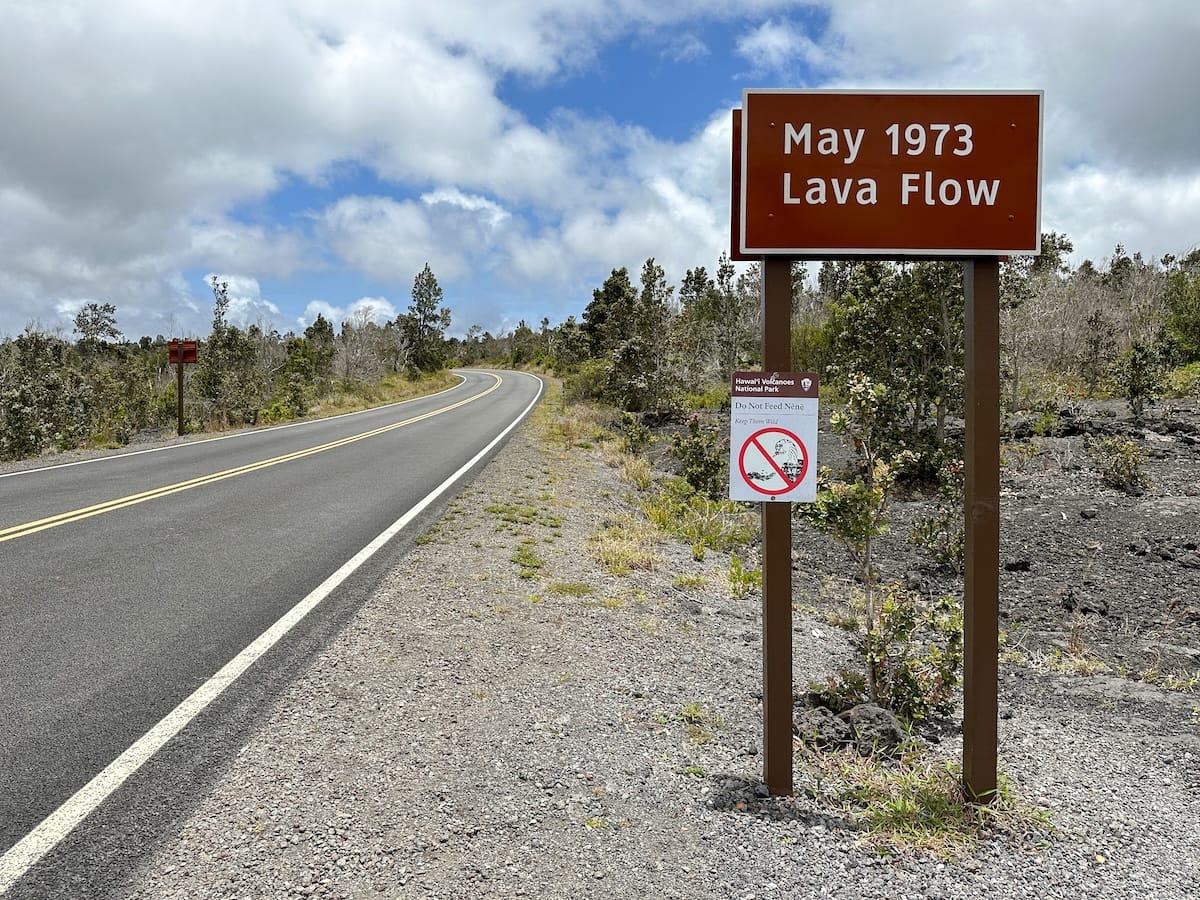
Crater Rim Drive will take you all the way down to the coast, and it might just be one of my favorite drives in Hawaiʻi (and this says a lot!).
For those looking to be more active, there are also many day hikes in Hawaiʻi Volcanoes National Park. They vary from easy, short hikes to difficult, long ones. Haʻakulamanu Sulphur Banks is an easy 1.2-mile boardwalk loop trail that is wheelchair-accessible.
Mauna Iki (Footprints Shelter) is a 7-mile challenging hike through the rugged terrain of a lava field, perfect for those looking for an adventure.
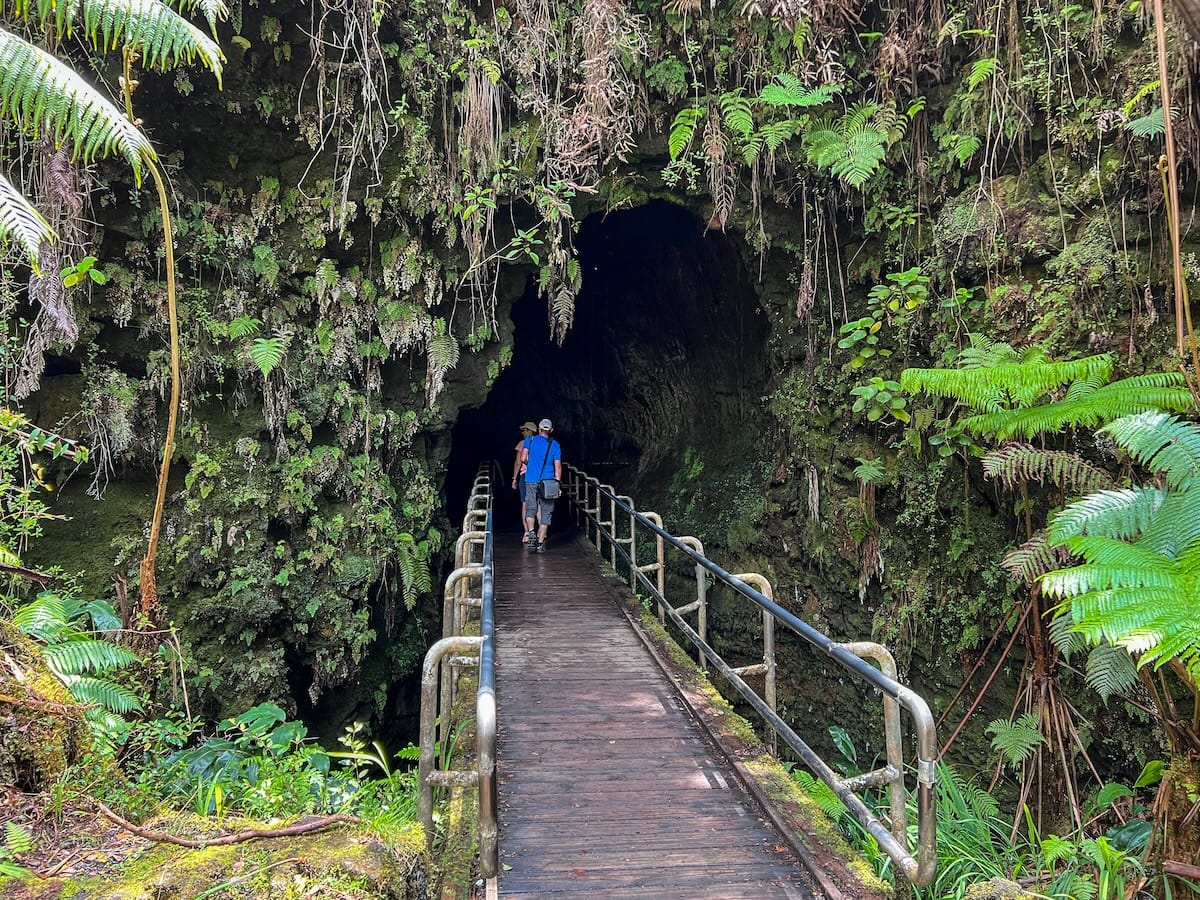
Alternatively, if you are not planning to rent a car on your trip to Hilo or wish to experience a more relaxing, carefree day, then I recommend taking a tour of the park, starting at the visitor center.
On this tour, you will experience the top sites in Volcanoes National Park and some of the most famous Hilo sites, including Rainbow Falls and the Liliʻuokalani Gardens.
The tour lasts for 5.5 hours and does not include lunch; however, you will stop at a chocolate factory for coffee and Hawaiian treats. Click here to check the Volcanoes National Park tour rates and availability.
2. Stay at the Inn at Kulaniapia Falls (and see the waterfall).
One of my dream places to stay in Hilo was the Inn at Kulaniapia Falls. I had visited the area many years ago and made it my mission to go back and spend the night there and take advantage of everything it had to offer. You can read the full story in the link above, where I review my stay (and chat about my first visit there).
Located about 15 minutes outside of Hilo, you can choose to stay the night at the property or visit during the day. Day visitors will need to purchase a day pass for the property.
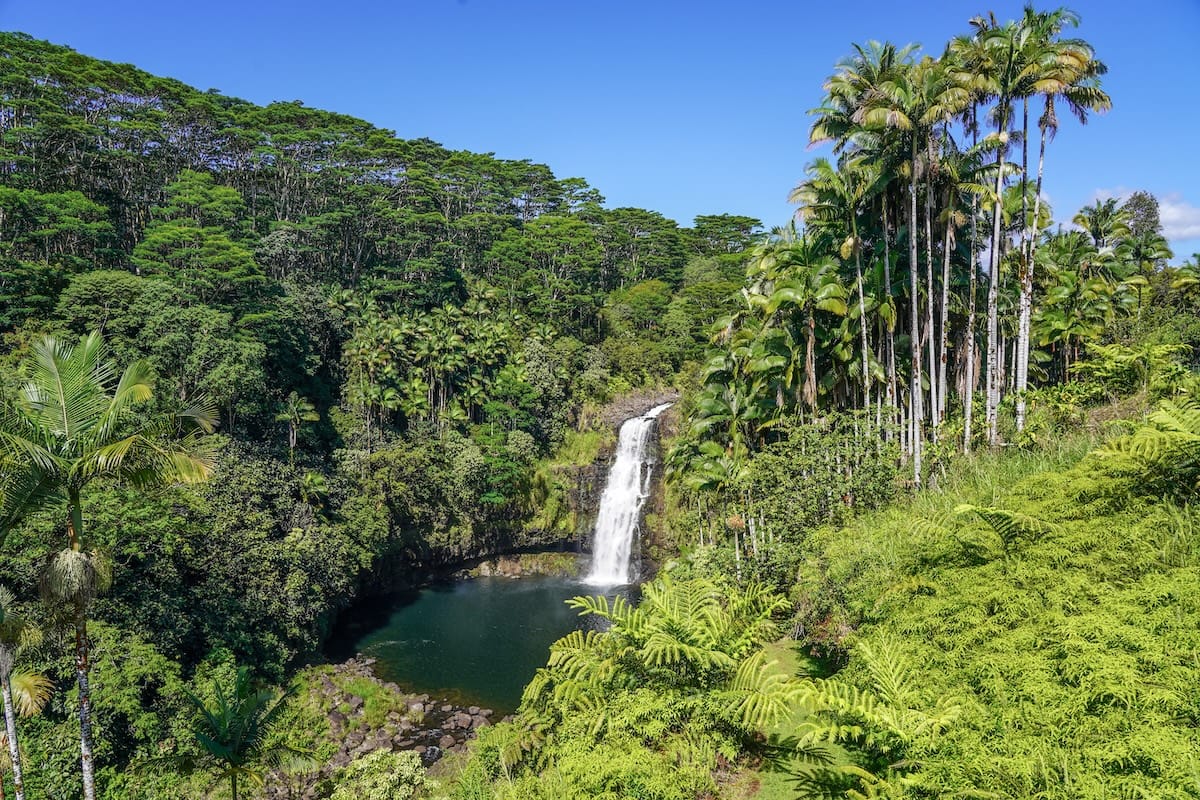
Guests of the inn and day visitors can easily spend a day or two enjoying everything on offer, from hiking through bamboo forests to rappelling down the waterfall. My partner opted to do the waterfall rappelling and enjoyed the experience.
Those staying at the inn do not need to book a day pass and also get discounted rates on the activities on offer. Click here to check rates and availability at Kulaniapia Falls.
3. Go ziplining over the Hāmākua Coast.
If you are looking for a more adventurous way of exploring the Hāmākua Coast, I recommend going on a ziplining adventure! This experience will take you high over the foliage, where you will whiz past some of the most stunning views on the eastern side of Hawaiʻi.
You will travel along seven different ziplines, all progressing in length and height. The trip culminates with one of the longest ziplines in the US. Along this line, you will travel above the 250-foot Kolekole Falls, one of the most beautiful waterfalls on the Big Island.
However, to do this tour, you must weigh between 70 and 260 pounds, and it involves walking half a mile over uneven terrain. The trip will go regardless of the weather, and no prior experience is necessary. Click here to check ziplining rates and availability.
4. Discover ʻAkaka Falls State Park and its waterfall trail.
The majestic ʻAkaka Falls is not only the highlight of ʻAkaka Falls State Park but is also one of the most impressive waterfalls in Hawaii.
Located 15 miles away from Hilo, it is the perfect little detour while driving toward the Hāmākua Coast.
To reach the waterfall, you will need to complete a self-guided 0.4-mile scenic hike that starts at the car park. The hike will take you through tropical forests, wild orchids, bamboo groves, and ferns before reaching ʻAkaka Falls.
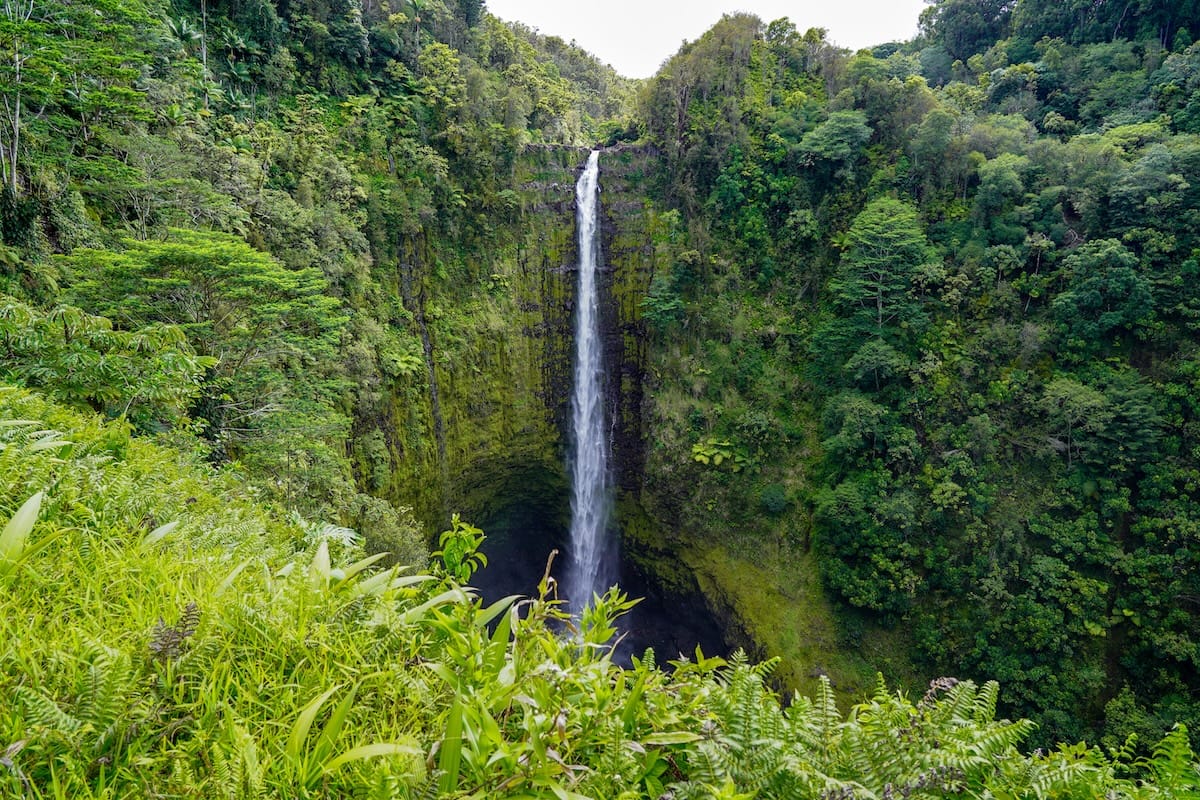
The waterfall plunges 442 feet into a gorge far below the viewing area. The immense power of the waterfall can be heard well before it comes into view, which makes the scene far more dramatic.
On the loop trail, you will get to see views over ʻAkaka Falls (even before reaching the waterfall) and even views of Kahūnā Falls, the state park’s other famous waterfall.
When you arrive at ʻAkaka Falls State Park, you will need to pay to enter the park on a small machine at its entrance (or you can pay ahead of time online). Car parking is $10 per car and non-residents must pay a $5 entrance fee. The park is open daily from 8:30am until 5pm.
5. Take a helicopter tour of Volcanoes National Park.
The undisputed best way to experience Volcanoes National Park is by helicopter, where you will get a stunning bird’s-eye view of the park.
I recommend taking a tour with Safari Helicopters. They offer a 55-minute helicopter tour from Hilo Airport, where you will be able to take in the wonders of the whole park and the areas surrounding Hilo, including waterfalls, volcanoes, and more.
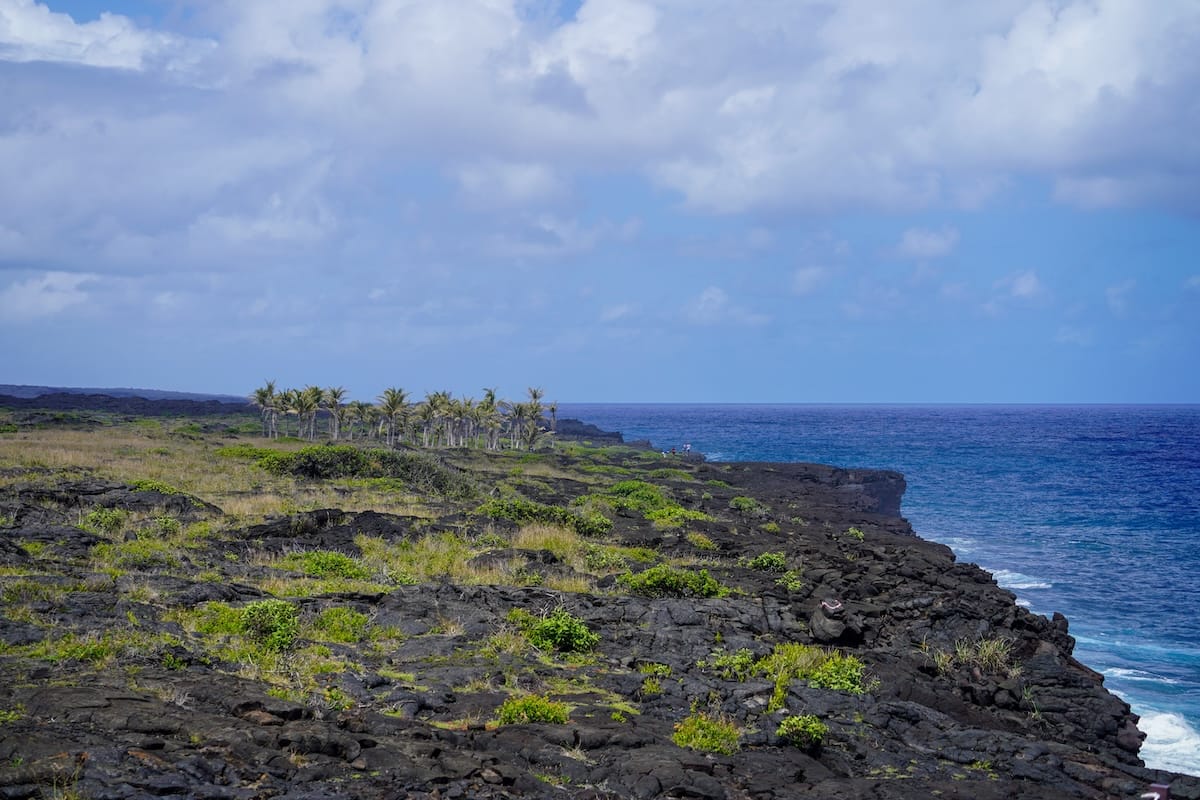
Throughout the journey, your pilot will act as your guide and talk you through everything you are seeing along the route. Once you have completed your route, you will return to the heliport, where your tour will end. Click here to check helicopter tour rates and availability
6. Visit the ʻImiloa Astronomy Center.
Night skies are culturally significant in Hawaiian culture, with the seafaring Polynesians navigating their way to Hawaii through the open ocean using the stars. The ʻImiloa Astronomy Center is the best place to go on your voyage of discovery as you learn all about the culture and history of Hawaii through the lens of astronomy.
Located within the University of Hawaii campus in Hilo, the center has static displays, planetarium shows, and a garden with the types of plants brought over by Hawaii’s first settlers.
I find the center to be one of the best places to learn about the beliefs surrounding Maunakea without visiting the summit yourself. Do note that Maunakea (often referred to as Mauna Kea) is sacred to Native Hawaiians, and visiting the mountain has created several problems – it is NOT something I recommend doing, but it is worth learning about at the Astronomy Center.
The ʻImiloa Astronomy Center is open from Tuesday to Sunday during the day. It is best to purchase tickets in person as I always find their website to not function well.
7. Be mesmerized by the Hāmākua Coast scenic drive.
I’m all about a good road trip, and you can get some otherworldly views from driving along the Hāmākua Coast from Hilo north. This 40-mile stretch of scenery makes up Hawaii’s northeastern coastline and connects Hilo to the Waipiʻo Valley.
This valley is one of my favorites from a helicopter ride that goes from Kona, but it is also beautiful by just driving to the viewpoint and looking out.
While the drive itself is only 40 miles long, set aside a day to complete it so you can stop along the way. Two stops on the way are ʻAkaka Falls (mentioned above), Honokaʻa, and the Hawaiʻi Tropical Botanical Garden.
The drive ends at a viewpoint over the Waipiʻo Valley, known to be one of the most spiritually important areas on the Big Island. The viewpoint offers fantastic views out over the valley and the impressive black sand beach where the valley meets the ocean.
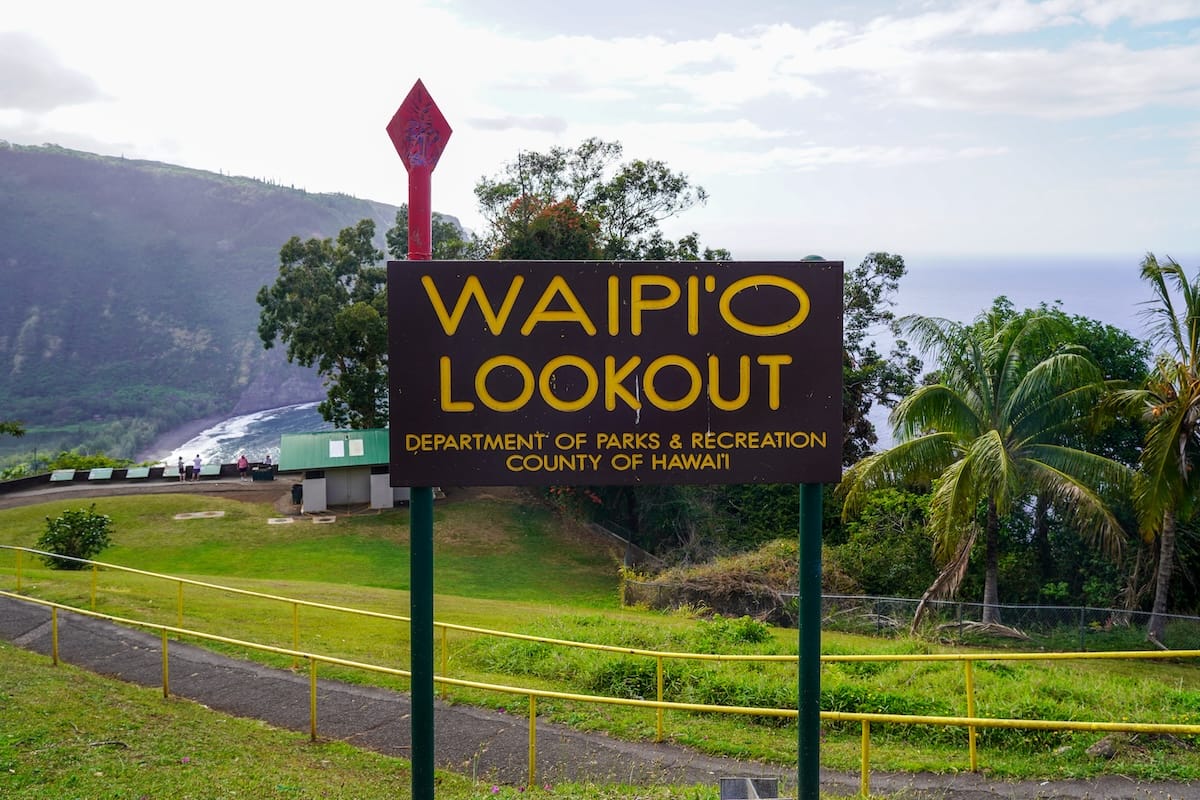
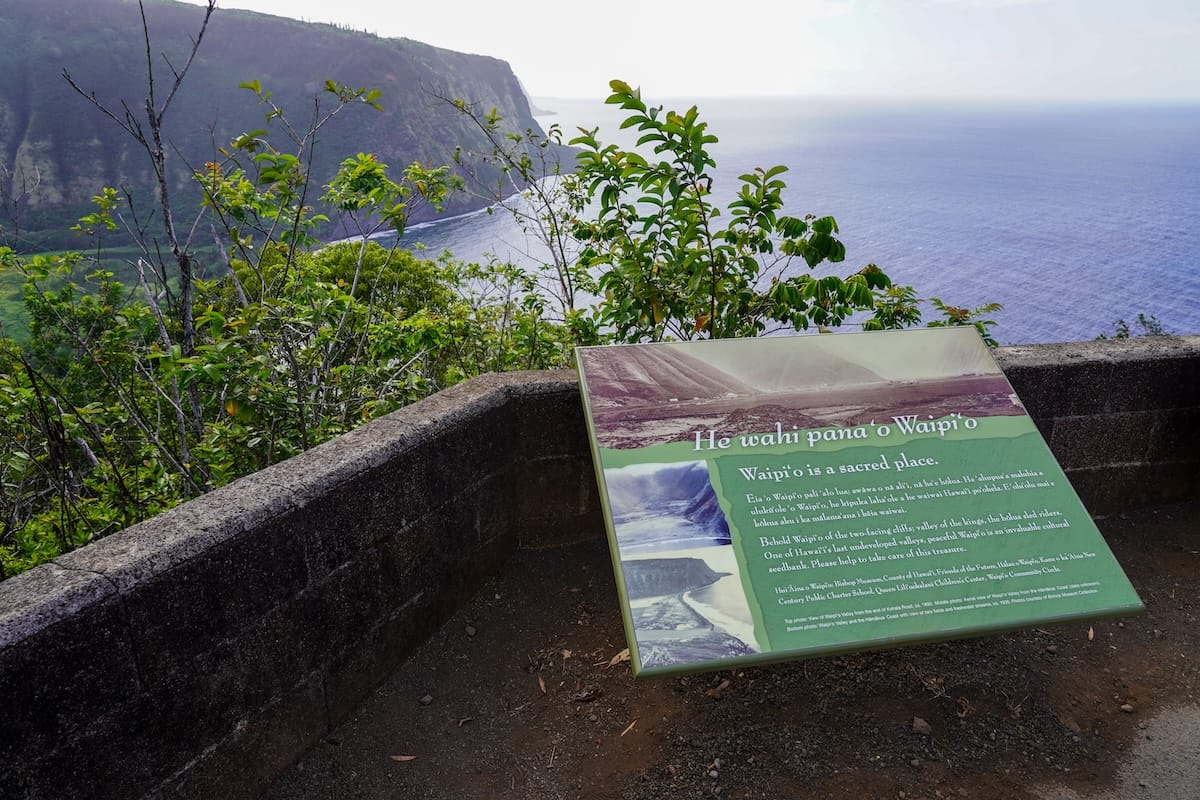
At the viewpoint, there is parking, restrooms, and some small stands selling snacks and drinks. The drive ends at the viewpoint, as the road down into the valley is only open to residents. You will need to return the way you came.
8. Relax at beautiful Coconut Island.
Just off the coast of Hilo, near the Queen Liliʻuokalani Gardens, is Coconut Island (Moku ola). It is a great place to stop for the day (or half a day) if you need some downtime in Hilo but still want to surround yourself with nature.
The island has two beaches, clean restrooms, a well-kept and large lawn, and a picnic area, all enclosed by palm trees (and almond trees). It is perfect for those wanting to spend some time in the water, with small rock pools perfect for wading and beaches for swimming. The island is free to visit but can be very busy on the weekends.
9. Visit Rainbow Falls and Wailuku River State Park.
Referred to as Waiānuenue by locals, Rainbow Falls is one of Hilo’s most popular attractions, named for the rainbows that come off the falls in the morning hours.
Rainbow Falls is located within the Wailuku River State Park on the northern edge of Hilo. The state park has easy access, and the falls themselves can even be seen from the parking lot (no hike required!).
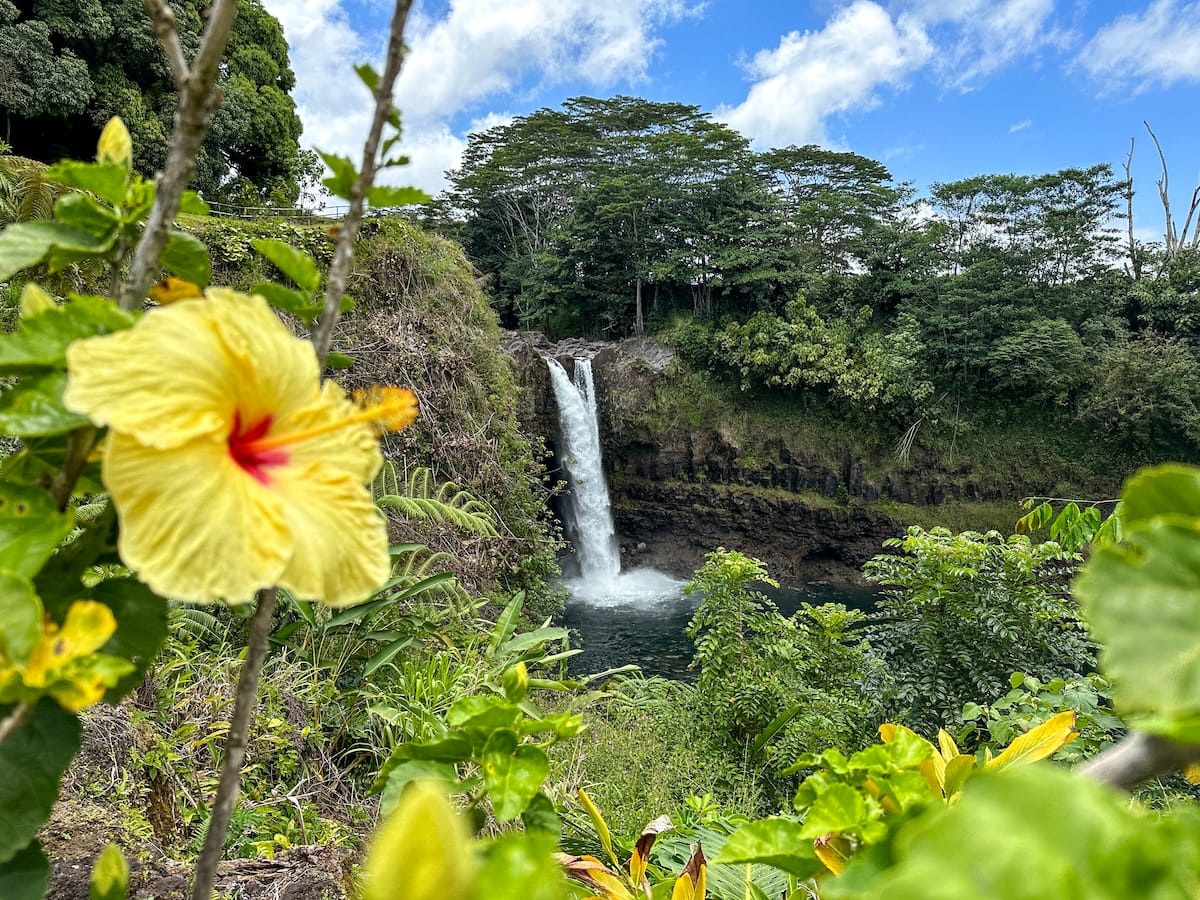
The 80-foot waterfall plunges into a deep pool below. The cascading water covers the entrance to a lava cave. It is said in Hawaiian mythology that the cave is home to Hina, the goddess of the moon.
Keep heading further up past the Rainbow Falls, and you will find huge banyan trees and be able to catch a glimpse of the boiling pots and Peʻepeʻe Falls. There are, however, no maintained paths between the two waterfalls, and I found it easier to drive between the two. Note that there is a parking fee of $10 per car, and a visitor entrance fee of $5 per person (this is only for non-residents).
Pro Tip
The best time to see the rainbows in the mist is first thing in the morning when the sunlight hits at the perfect angle. It can also beat some of the crowds and tour buses!
10. Get lost in nature at the Hawaiʻi Tropical Botanical Garden.
One of my absolute favorite places close to Hilo is the Hawaiʻi Tropical Botanical Garden. I could easily spend a day in this botanical garden alone. It is honestly one of my favorite things to do on the Big Island!
Spread over a 40-acre valley, there is plenty to see in the gardens, such as small waterfalls, blowholes, and an unbelievable array of tropical plants.
After entering the park, you will need to follow a set route that will take you down into the valley and through the gardens. Along the way, there are 31 different gardens and points of interest.
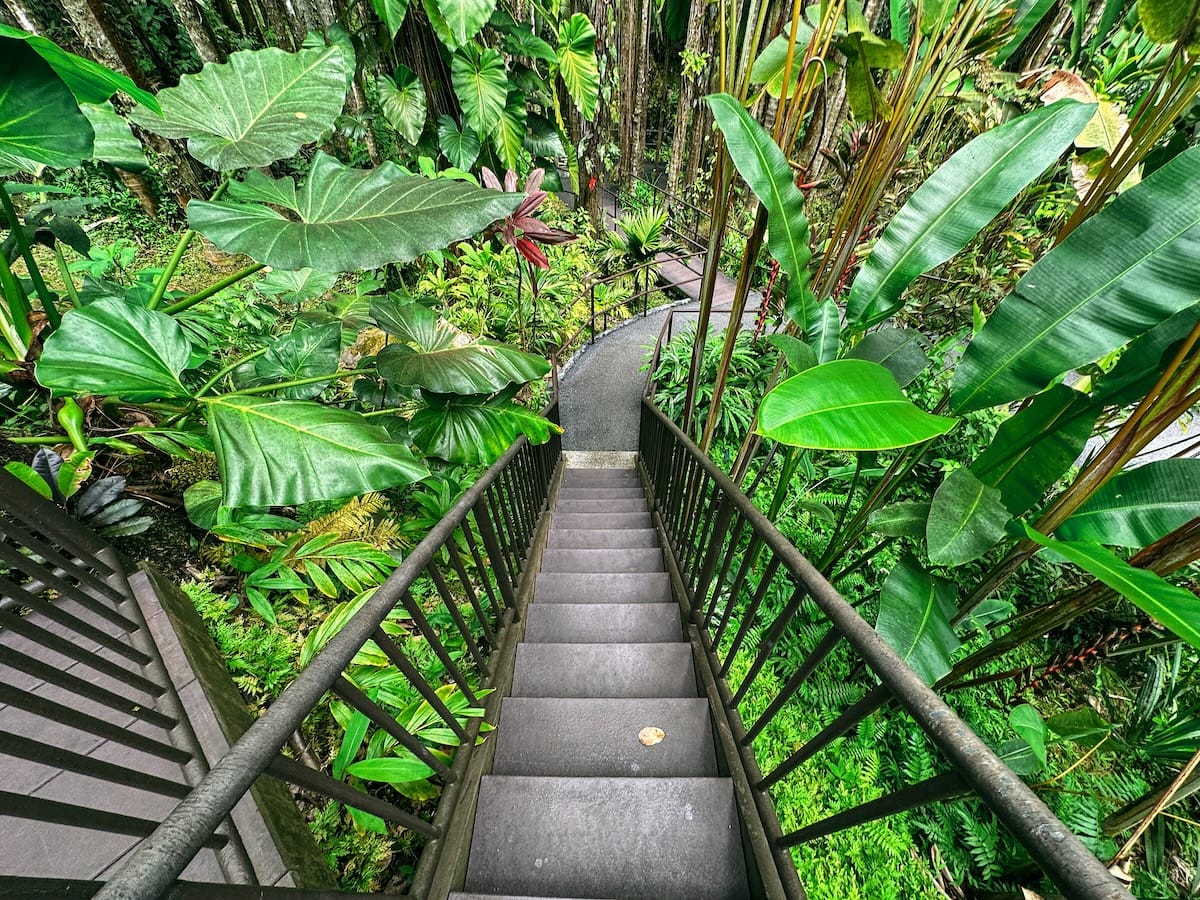
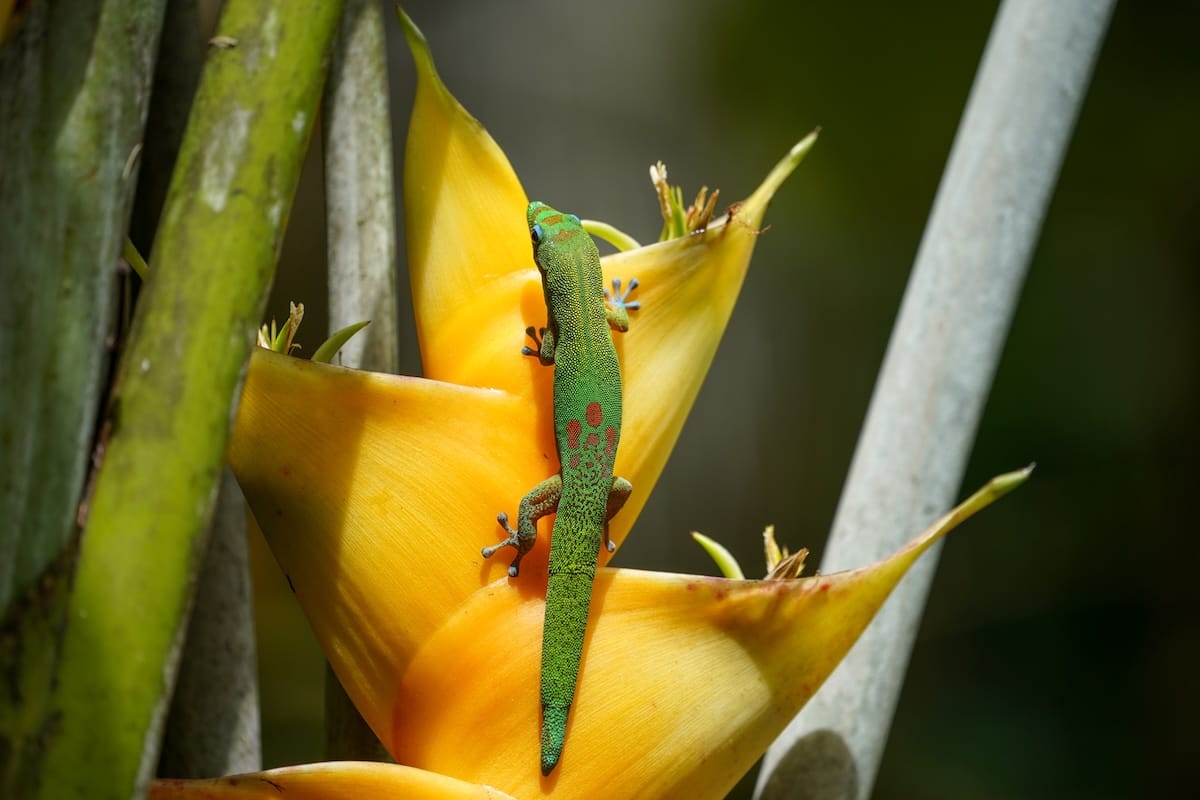
My favorites included Onomea Falls, the orchid garden, and the spectacular blowhole cove. As you walk around the gardens admiring the tropical plants, keep an eye out for colorful lizards feeding on the plants’ nectar.
The Big Island botanical garden is open every day of the week between 9 am and 6 pm, with the last entry to the gardens at 4 pm. Tickets are $35 for adults, and while it is expensive, if you geek out with nature the way I do, it will be money well spent!
I recommend spending at least half a day in the gardens so you can fully appreciate their beauty without feeling rushed. But 90 minutes to two hours is enough time to see most of it.
11. Buy local at the daily Hilo Farmers’ Market.
Something I find crucial to do in Hawaii is to support the local communities and their businesses. One way to do that is to head to the Hilo Farmers’ Market, open daily, to shop for local produce, authentic crafts, and more. It is located at the corner of Kamehameha Avenue and Mamo Street.
Pro Tip
The best time to visit the Hilo Farmers’ Market is on Wednesdays and Saturdays when most vendors are there. But it is open 7 days a week from 7am to 3pm.
There are usually over 200 stalls and two food courts on-site. I recommend ordering the fresh poke from Poke ‘n’ Sides.
12. Check out the Kaʻūmana Caves near Hilo.
One of the coolest places to explore in Hilo is Kaʻūmana Caves Park, home to a 2-mile-long lava tube. Formed in 1881, the tube is thought to be the 57th longest lava tube in the world.
The park is free to visit, and visitors can explore a small segment of the tube. To enter the cave, there is a metal staircase that takes you down into the tube.
Unfortunately, you can only explore a tiny part of the tube, as the rest of it goes under private property and is not open to the public. I highly recommend wearing sturdy shoes, as walking on lava is no treat!
13. Watch surfers catch a wave at Honoliʻi Beach Park.
One of Hawaii’s most famous seaside parks is Honoliʻi Beach Park, a popular spot for the local surf scene.
Located on the east coast of the Big Island, just north of Hilo, Honoliʻi Beach Park is known for waves crashing into its black sandy beach. The surfing here is excellent throughout the year.
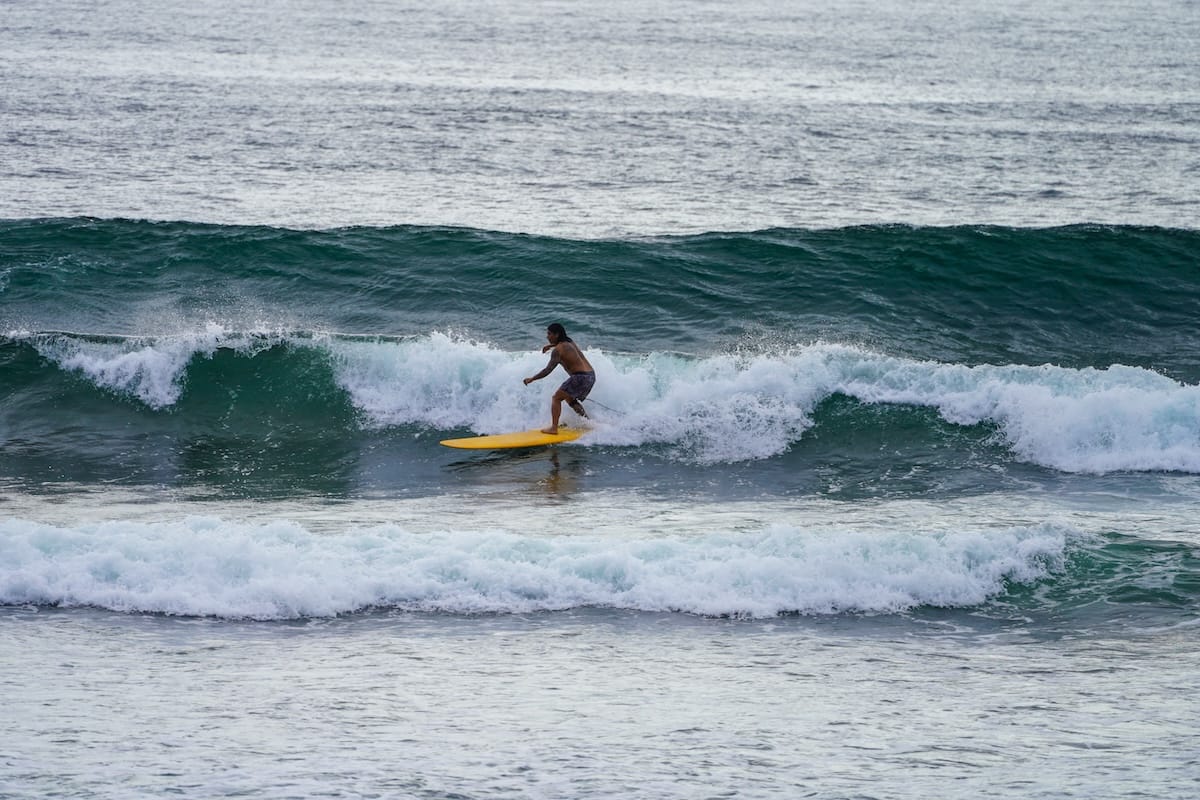
There is also a picnic area and public restrooms are available for all visitors. I spent an enjoyable hour watching people learn to surf, and the more seasoned surfers rode some impressive waves.
For those wanting to spend a lot of time surfing, I recommend staying at the Orchid Tree Bed & Breakfast.
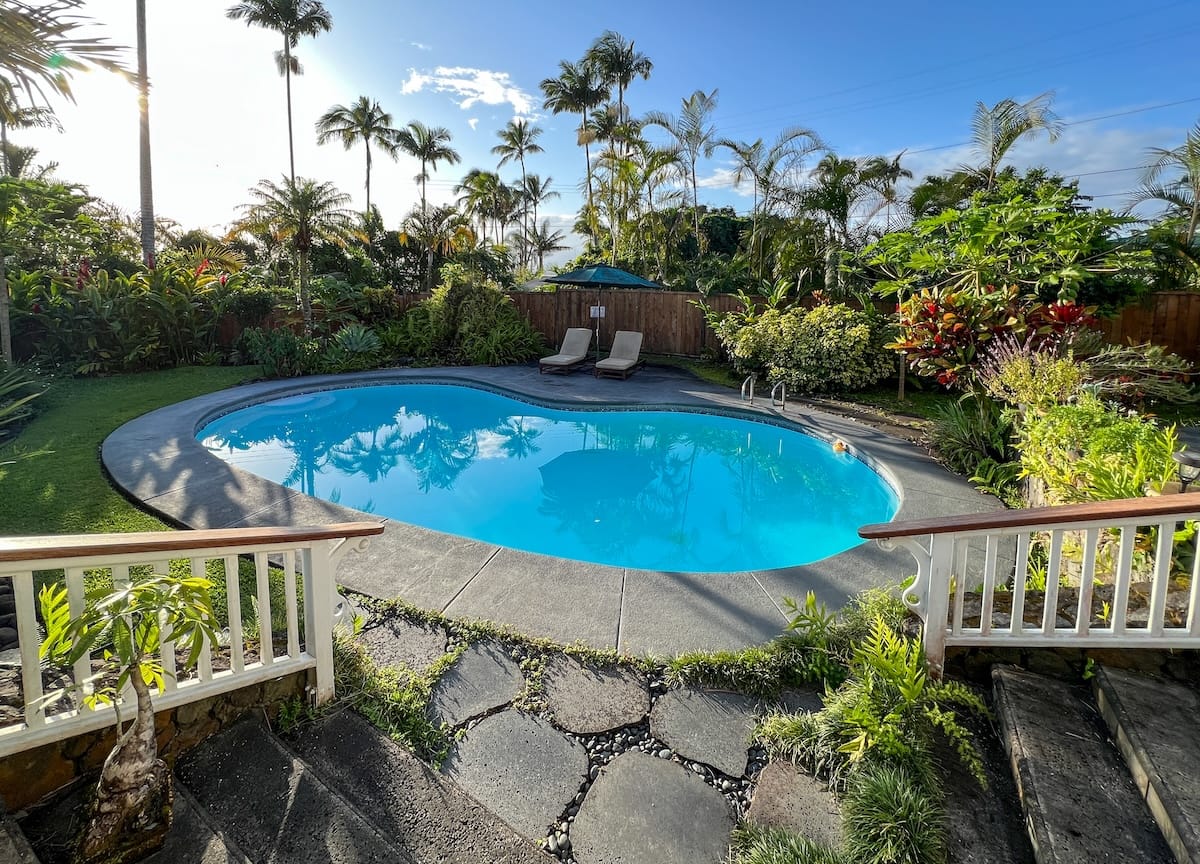
This beautiful bed and breakfast is located a stone’s throw away from the beach on foot and is one of my favorite places I have ever stayed (their strawberry papaya is the best I’ve EVER had and it came with breakfast each morning).
14. Visit the unique formations at Lava Tree State Monument.
Lava Tree State Monument might be one of the weirdest state parks I have visited. The park is centered around odd lava structures that were discovered to be remnants of trees that were encased by lava.
The trees met their fate in 1790 when lava rushed through the area, covering the trees but draining away quickly enough to leave behind these eerie statues of the forest that once was.
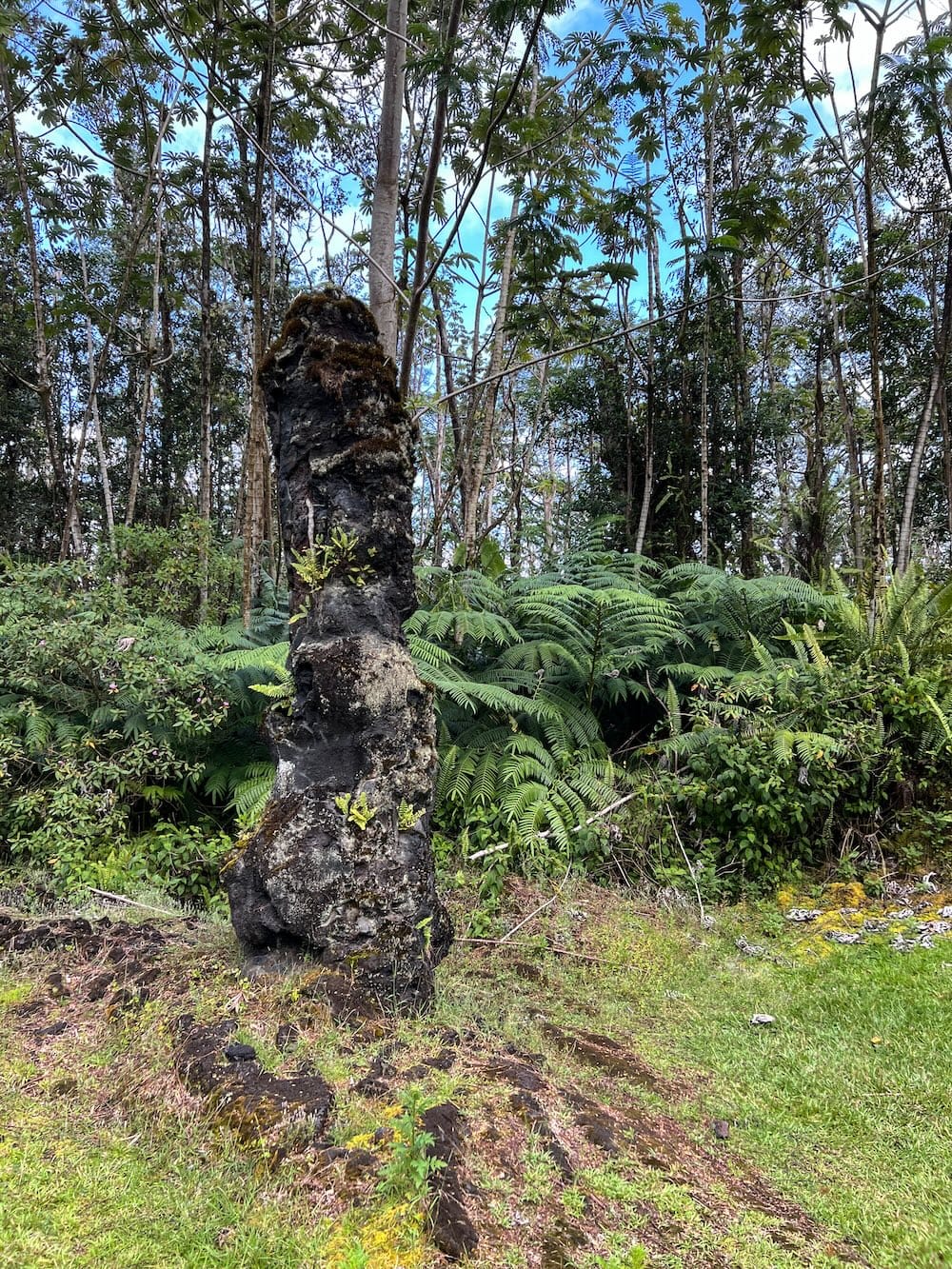
Today, a new forest has grown around the lava trees, providing a perfect contrast between the old forest and the new life that has grown since the eruption.
The state park is only a short drive from Hilo, and due to its small size, it can easily be explored within an hour or two. I suggest visiting Lava Tree State Monument in conjunction with other places such as Kalapana and Pāhoa.
The park is free to enter and is open every day from sunrise to sunset.
15. Head to see Peʻepeʻe Falls.
While Wailuku River State Park is undoubtedly most famous for the Rainbow Falls, further upstream you will find the beautiful Peʻepeʻe Falls.
Located about a mile upriver from the Rainbow Falls (mentioned earlier in this post), there is a dedicated parking entrance to view the falls and the boiling pots. Unfortunately, there is no maintained hiking route between Rainbow Falls and Peʻepeʻe Falls.
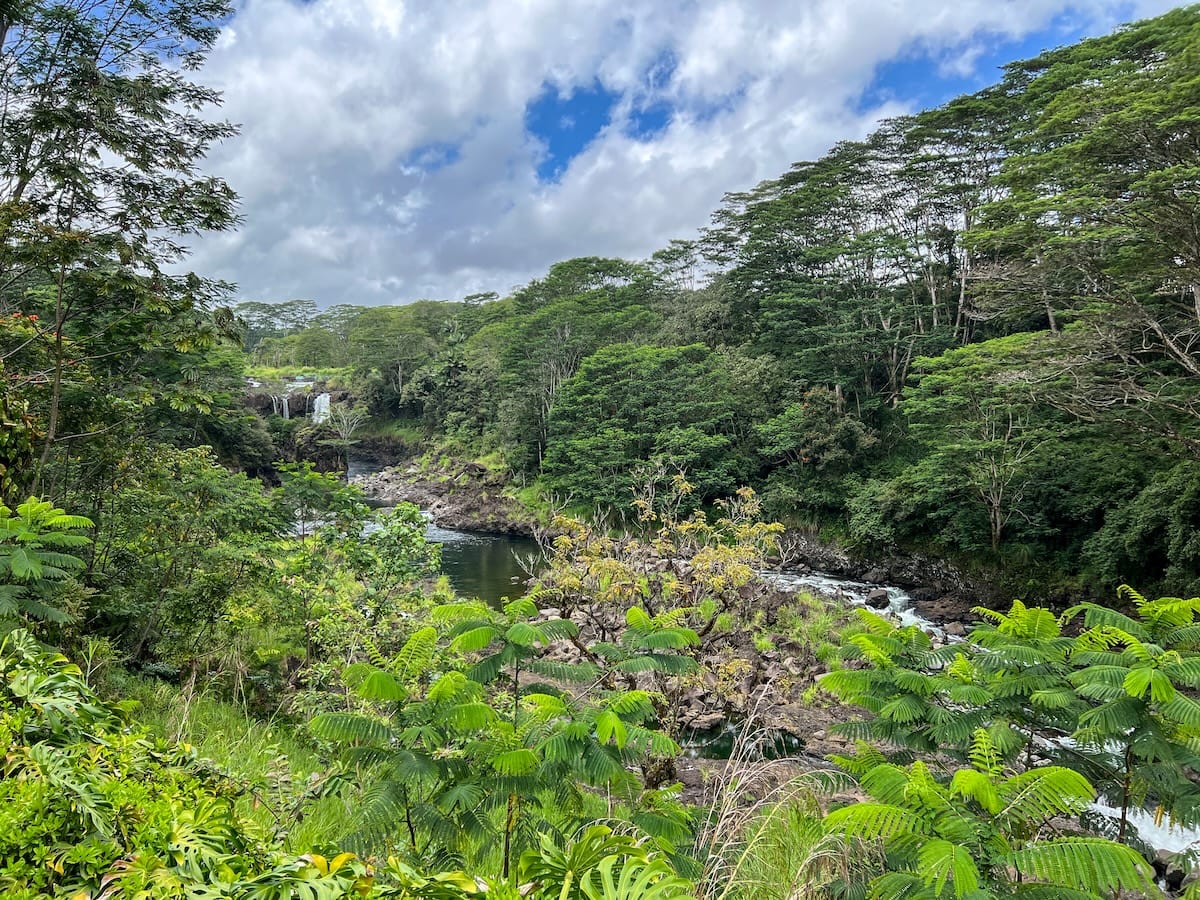
The 80-foot waterfall plunges into a deep pool, and the water then runs downstream over the famous boiling pots. While the water in the pots is not boiling, it appears to be doing so as it runs over boulders and bubbles up from lava tubes.
The falls should only be viewed from the viewing point; people may talk about a steep path that takes you down to the plunge pool. It is now forbidden to use this dangerous path, and there is a chance of being fined for going down there due to the level of danger.
16. Explore the remains of lava-hit Kalapana.
In the 1990s, a lava flow from the Kīlauea volcano slowly moved toward the town of Kalapana and gradually engulfed the town (I actually remember watching it live on TV at the time… it was so sad and wild to see it in real time). Anyway, the lava flow eventually reached the coast and ended up extending the coastline.
Located 28 miles from Hilo, you can visit the area of Kalapana and walk on the lava flow, with the town sitting over 40 feet below the top of the lava.
The barren lava field makes for a stark reminder of just how powerful and destructive volcanoes can be.
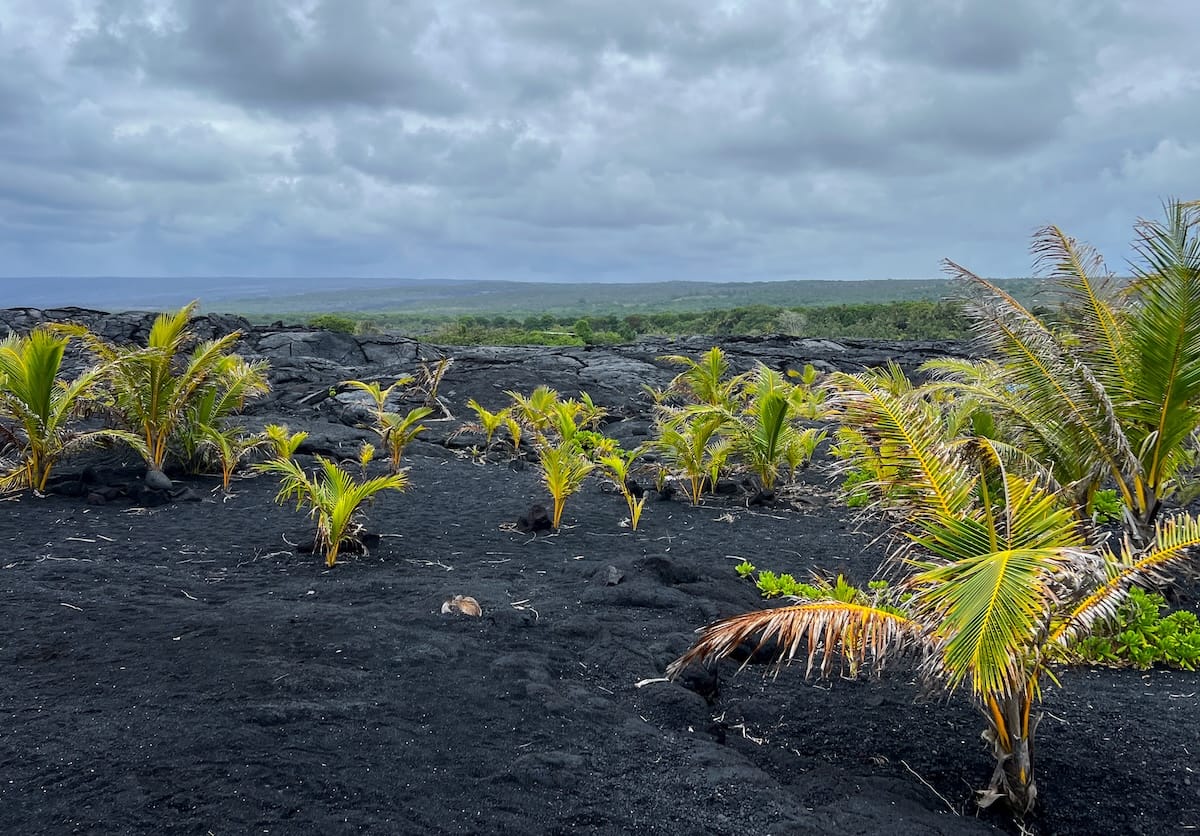
Thankfully, the lava moved slowly enough that people were able to evacuate their homes before it arrived, and there were no fatalities.
Head further along the coast to check out more black sand beaches, drive on roads built on lava flows, and eventually find a road still blocked by lava. I suggest spending at least half a day exploring Kalapana and the surrounding areas.
17. Stroll through Liliʻuokalani Park and Gardens.
Along the Hilo coastal front, you will find Liliʻuokalani Park and Gardens, a beautiful Japanese garden. Built in the traditional Edo style, the gardens are believed to be the largest authentic Japanese gardens outside of Japan.
The land the gardens sit on was donated by Queen Liliʻuokalani, the last reigning monarch of the Hawaiian Islands. The gardens were dedicated to the Japanese immigrants who came to Hawaii to work on the newly formed farms.
The gardens sit on the bay, and you can sit on the coastal edge and look out over the Pacific. If you are lucky, you might see passing whales! From the gardens, you will also find the bridge that will take you over to Coconut Island. Liliʻuokalani Park and Gardens is open all day and free to enter.
18. Spend time at the Wailoa River State Recreation Area.
In the center of Hilo is the Wailoa River State Recreation Area (also called the Wailoa River State Park). Sitting between the city and the ocean, the park was designed to be a tsunami buffer.
While the park may have a more functional role, it is still one of the most beautiful spots in Hilo and perfect for taking a short walk or spending an afternoon relaxing by the Waiākea Pond.
The park was created on the land of the Shinmachi area, where Japanese immigrants had settled in the early 20th century. This district was destroyed by a tsunami, and shortly after being rebuilt, it was destroyed again by another tsunami.
There is a dedicated memorial in the park to Shinmachi that is a reminder of how important this buffer zone will be if there is another tsunami.
I also recommend checking out the Wailoa Art Center, one of the best free places to visit in Hilo. The cultural center has numerous events throughout the year.
Two dedicated galleries have regular displays featuring local artists or exhibitions celebrating the history of Hawaiʻi and Hilo. The park is open during the day every day of the week, while the Wailoa Art Center is open Monday to Saturday during the day.
19. Spend a cozy day at Richardson Ocean Park.
One of the most beautiful beaches close to Hilo can be found in Richardson Ocean Park. The beach is unique in that it is a mixture of black and green sand and is considered the most accessible beach with green sand on the island!
The bay is fed by fresh water flowing into the ocean, with reefs protecting the area from dangerous ocean currents. This has made it one of the best snorkeling spots on the East Coast of the Big Island.
If you are lucky, there is a chance turtles will be feeding in the bay, and you will have the opportunity to snorkel with them.
Richardson Beach Park is also known to be frequented by the very rare Hawaiian monk seal. During the whale season, keep your eyes peeled just past the break for humpback whales swimming past.
I suggest visiting the beach during the week, when, in general, it is less crowded. Locals descend on the beach during the weekend, making it a crowded affair!
20. Spend the day checking out black sand beaches.
The Big Island’s wild and rugged coasts occasionally give way to stunning black sand beaches that are a must-visit. In the area around Hilo, you will find several beautiful beaches formed out of eroded lava.
Some of the most beautiful beaches are harder to reach, while others are located just off the roadside. Keep an eye out on the beaches for green turtles taking a break or, if you are very lucky, Hawaiian monk seals hauling themselves out of the ocean for a rest.
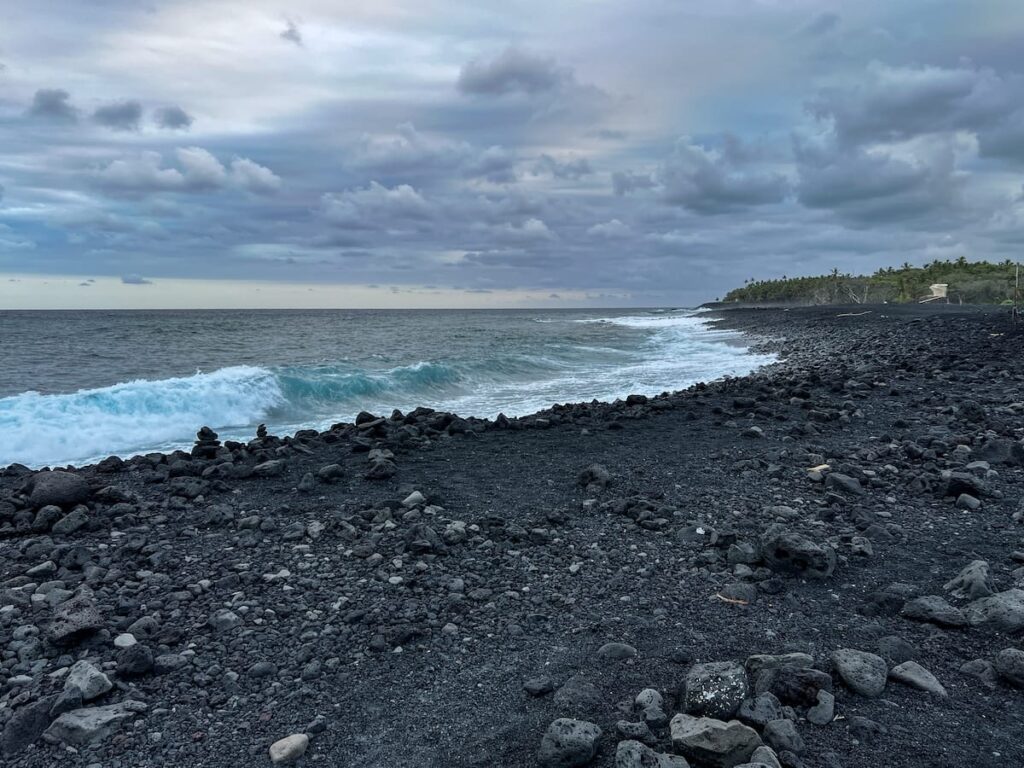
Here are a few of my favorite black-sand beaches near Hilo:
Kehena Black Sand Beach
Kehena Black Sand Beach might be one of the most beautiful beaches I have seen. Dramatically located between the Pacific Ocean and a steep incline thick with lush greenery.
Getting down to the beach is fairly challenging, but the rewards are worthwhile. Alternatively, the views from above are equally stunning.
The white foam from the waves crashing against the black sand makes you feel like you are living in a black-and-white photograph.
Punaluʻu Black Sand Beach
Punaluʻu Black Sand Beach is 57 miles away from Hilo, but well worth visiting. The beach is one of the best places on the island to see green sea turtles, who regularly drag themselves up onto the beach.
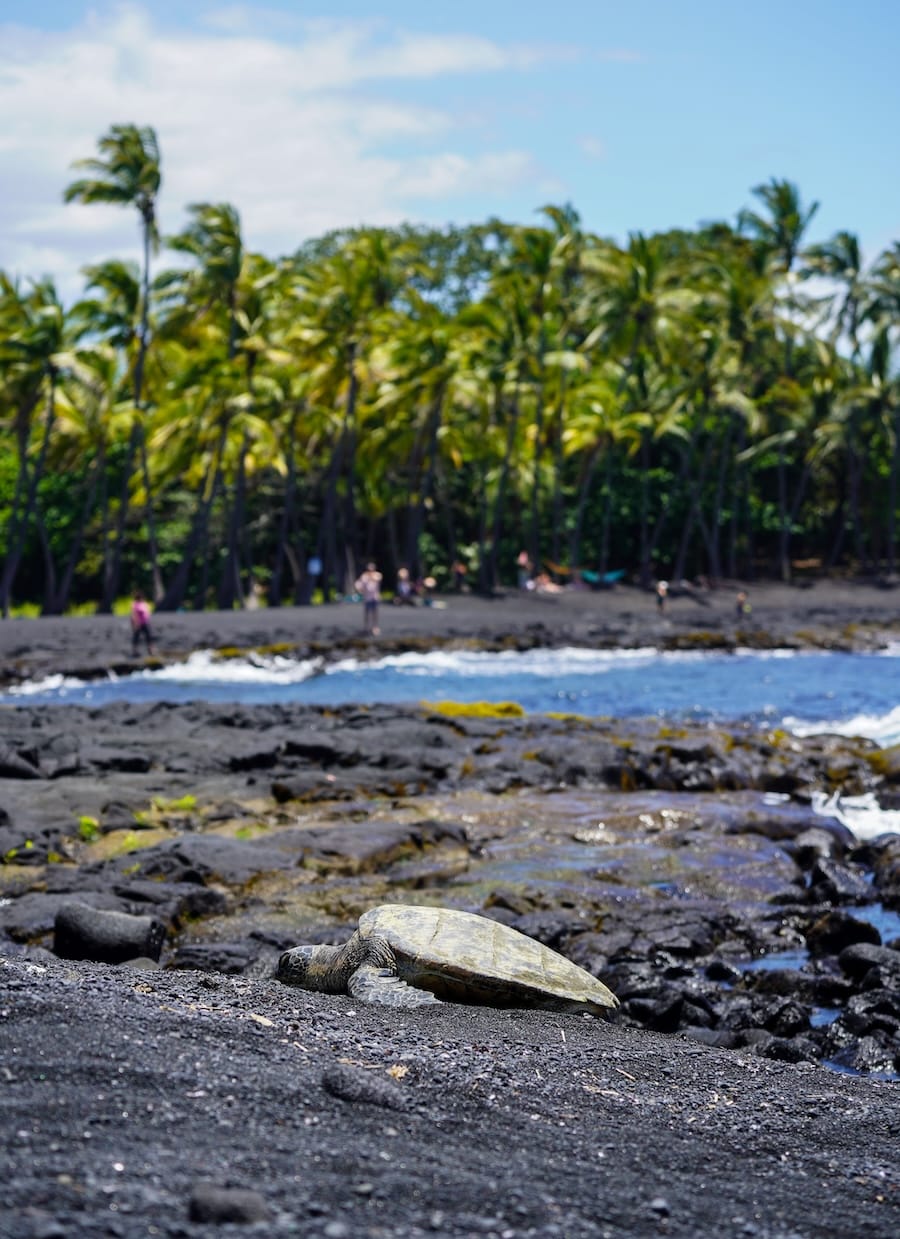
Turtles tend to be seen on the shore during the middle of the day when the sun is at its strongest. Keep an eye out in the rock pools and along the coastal edge for turtles feeding in the water.
I suggest bringing some snorkeling gear with you so you can go into the water for a better look. Always remember to stay 10 feet away from turtles in the water and on land.
Cape Kumukahi Black Sand Beach
Cape Kumukahi Black Sand Beach is also known as Lighthouse Beach and is one of the newest black sand beaches on the island.
Making up the eastern point of the island, the beach is only accessible these days via a 4-mile round-trip hike. The hike is over rugged lava that covered the area in 2018, destroying the road to the beach.
Additional Places for Your Hilo Bucket List
If you have exhausted all of the things to do in Hilo (and the east side of the island) above, here is a quick list of some additional places for your Hilo bucket list!
- Learn a sad part of Hawaii’s history in the Pacific Tsunami Museum
- Check out Carlsmith Beach Park
- Visit the Lyman Museum and Mission House (tickets are $5 and $3, respectively)
- Walk around beautiful downtown Hilo
- See the tide pools near Hilo at Leleʻiwi Beach Park or Reeds Bay Beach Park
- Make a quick stop to see the exhibitions at the East Hawaiʻi Cultural Center
- Try mochi from the Two Ladies Kitchen
- Check out Banyan Drive and see the trees planted by celebrities
Best Places to Eat in Hilo
Hilo is full of diverse dining options, and you’ll find many in the downtown area as well as on the outskirts. Here are some of my favorites:
- Ken’s House of Pancakes (a local favorite since 1971; be sure to try their macadamia pancakes)
- Just Cruisin Coffee (one of the best coffee shops on the Big Island)
- Hawaiian Style Cafe (great loco mocos)
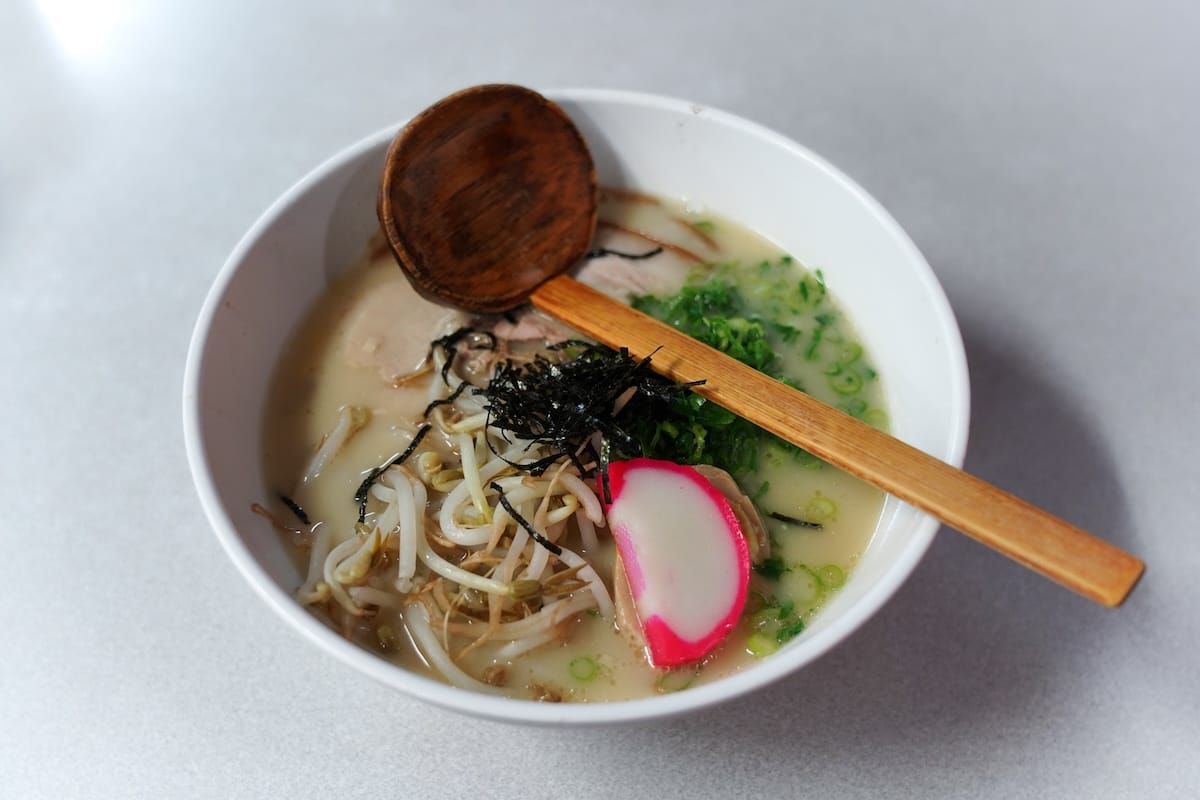
- Kenichi (Japanese food and my favorite ramen in the islands)
Things I Would Skip in Hilo
While this guide covers the best things to do in Hilo, there are a couple of things I wouldn’t recommend to travelers. They are:
1. Visiting Maunakea.
Maunakea (often referred to as Mauna Kea) has spiritual significance to Native Hawaiians, and as tourism has grown, the area has been developed and encroached upon.
I wouldn’t choose to travel there; instead, I’d learn about Hawaiian cultural and spiritual traditions at a museum or the ʻImiloa Astronomy Museum (which I mentioned above).
2. Taking a bike tour of Volcanoes National Park.
Bike tours have recently been banned in the park, and tour providers have found a workaround by offering GPS-audio-guided tours by bike, which you complete on your own.
However, there have been reports that people are getting in trouble for doing this tour, so I would avoid booking one.
Things to Do in Hilo (On a Map!)
How To Use This Map
You can use your fingers/mouse to zoom in and out. To get more info about a place, simply touch/click the icons. Want to save this map for later use? Click the ‘⭐’ by the map title and it will add it to your Google Maps account (Saved > Maps or ‘Your Places’).
What to Do in Hilo FAQ
What are the best things to do in Hilo, Hawaiʻi?
There are so many things to do in Hilo and the rainy side of the Big Island (which is the east). Some of the most famous places are ʻAkaka Falls State Park, the Hilo Farmers’ Market, the Hawaiʻi Tropical Botanical Garden, Rainbow Falls, and taking a day trip to Hawaiʻi Volcanoes National Park.
How many days do you need in Hilo?
If time permits, I would dedicate one full day to Hilo and its north and one full day to Hawaiʻi Volcanoes National Park. This gives you time to enjoy a restaurant or two, drive to Waipio Lookout, and make it back to explore a museum and the Hilo Farmers’ Market (which closes in the afternoon). And the next day can be dedicated to the national park.
Is Hilo worth visiting, or should I stay on the Kona side?
Yes! They are so different and I think the contrast makes both places worth visiting. Many of the resorts, luaus, and famous places are on the Kona side of the island (west), and it receives little rain.
But Hilo has a cozier feel and you can explore Volcanoes National Park and see some gorgeous black sand beaches on this side of the island. It is not to be skipped. Just pack a rain jacket!
Which Hilo attractions are free, and which have fees?
A couple of places that are free in Hilo are the Hilo Farmers’ Market (you will need to have cash or card for the vendors on-site, however) and Rainbow Falls. ʻAkaka Falls State Park, Hawaiʻi Volcanoes National Park, and the Hawaiʻi Tropical Botanical Garden all require a fee, however. There are typically discounts (or free admission) for residents of the state of Hawaii.
How far is Hilo from Hawaiʻi Volcanoes National Park?
Hawaiʻi Volcanoes National Park is the perfect day trip from Hilo and you can reach the national park in around 45 minutes to an hour. Be sure to set off early to make the most of your day before sunset, however!
When is the best time to visit Hilo?
Hilo is rainy year-round, so there is not really a bad or good time to visit, so long as you keep this in mind. If you get lucky, however, you may be in Hilo and near Volcanoes National Park at the same time as an eruption, which is pretty cool.
Is there any place that you think deserves to be on this Hilo bucket list and things-to-do guide? Let me know in the comments. Thanks!
More Big Island Travel Guides
This site uses affiliate links, meaning that if you purchase through my links, I may earn an affiliate commission, at no extra cost to you.
